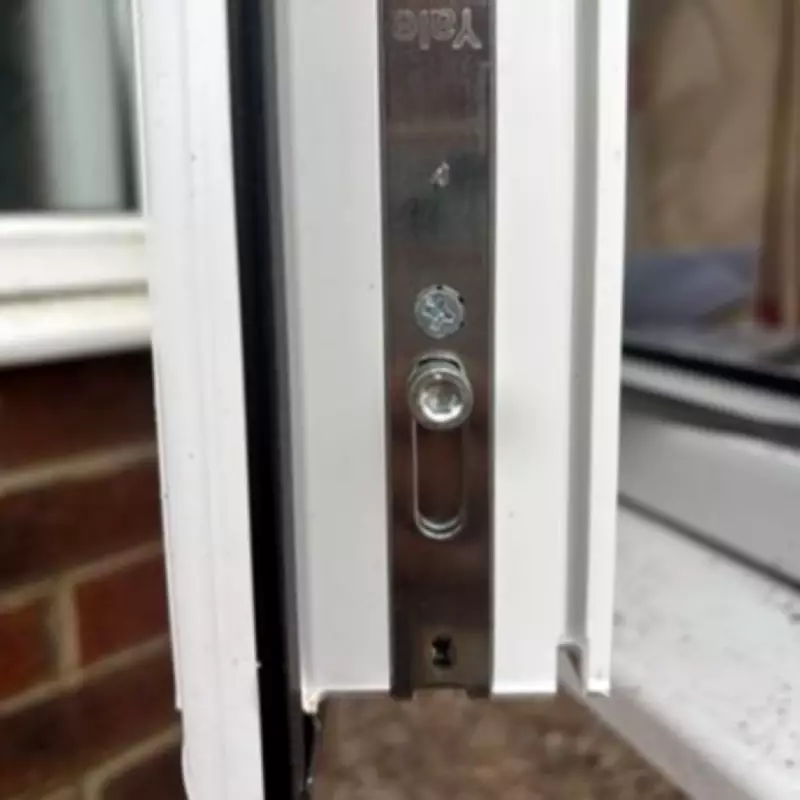
Experts say your windows could be contributing to heat building up inside your home, and a simple adjustment could make a real difference. Window specialists Express Bi-Folding Doors have revealed how a clever little-known mechanism can help keep homes cooler during hot spells, along with other tips to get your windows working hard for you this summer.
What Is Summer Mode for Windows?
Many modern windows have a small built-in adjustment screw that controls how tightly the window sits against its frame. While pulling the window closer to the frame helps lock heat in during winter, loosening it slightly in summer allows for better airflow and ventilation when you need it most.
How to Switch to Summer Mode
To switch to summer mode, open your window and locate the small adjustment screws on the inside of the frame. These usually require an Allen key and will have a notch currently sitting at around 3 o'clock if you already applied the winter setting. Turn the screw anti-clockwise by a quarter turn so the notch moves back to 12 o'clock. This releases the window slightly from the frame, allowing air to circulate more freely when the window is open or on its vent setting. This small tweak can make a noticeable difference to airflow throughout your home, particularly overnight when you want to let cooler air circulate without fully opening your windows.
Create a Cross Breeze
One of the most effective ways to cool a home naturally is through cross ventilation. Open windows on opposite sides of your home to create a through-breeze, ideally in the morning before temperatures peak, and again in the evening once the air outside cools down. If you have bi-folding or sliding doors, opening these fully alongside a window at the opposite end of your home can dramatically increase airflow, turning your living space into a much more comfortable environment.
Block Out Direct Sunlight
Between roughly 11am and 3pm the sun is at its most intense, and direct sunlight streaming through windows can heat up a room quickly. Closing blinds or curtains on south and west-facing windows during these hours can significantly reduce the temperature inside. Thermal curtains, often associated with keeping heat in during winter, actually work both ways — their density also helps to block solar heat gain during summer.
Check Your Window Seals
If your windows are not opening or ventilating properly due to worn or stiff mechanisms, it is worth giving them a once-over. Clean the tracks and hinges, and check that opening settings like trickle vents are clear and functioning, so you can get the most out of even a small breeze.
Consider Window Film for South-Facing Rooms
Solar control window film can be a cost-effective addition to south-facing rooms that get a lot of sun. Unlike standard window film, solar film is designed to reflect heat away from the glass before it enters the room, helping to keep temperatures down without blocking natural light entirely.