Five Gentle Hobbies to Boost Health and Happiness After 60
Staying active and engaged in later life doesn't require intense exercise or marathon running. Instead, it's about embracing simple, enjoyable hobbies that are gentle on the body, easy to integrate into daily routines, and beneficial for both physical and mental wellbeing. Daniel Stone, a representative from TGA Mobility, has highlighted five pastimes specifically designed to help older adults maintain their health, happiness, and independence. "These are activities people stick with because they are practical, calming and genuinely improve quality of life," Stone explains.
1. Gardening with Raised Beds
Gardening remains a top choice for low-impact hobbies, especially when using raised beds or vertical planters. These adaptations significantly reduce the need for bending and make gardening accessible for individuals using mobility aids or stools. "Raised beds turn gardening from a chore into something you can enjoy without worrying about your back or balance," Stone notes. The repetitive, light tasks involved, such as planting and pruning, also help maintain hand dexterity—an often-overlooked benefit that supports fine motor skills.
2. Birdwatching and Short Nature Walks
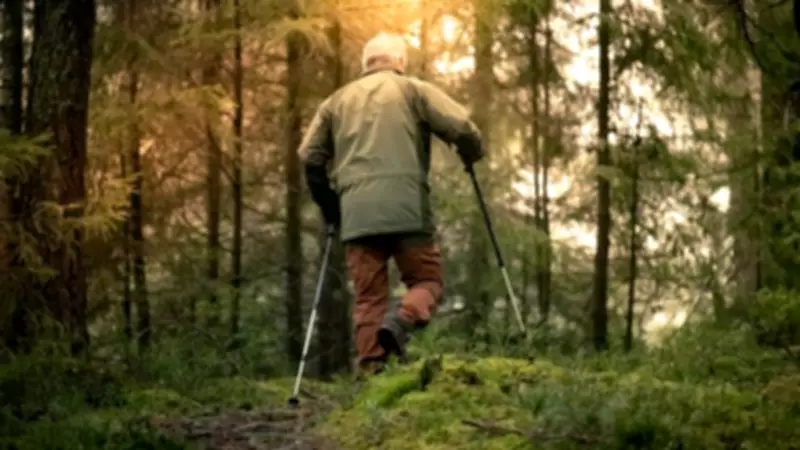
Birdwatching encourages slow, mindful movement and enhances mental alertness. It is particularly suitable for those using walking sticks or rollators, especially when routes include benches and rest stops. "Looking for birds gives people a reason to move, even on days they might otherwise stay indoors," says Stone. Additionally, keeping track of sightings can support memory, attention, and recall, providing cognitive stimulation alongside physical activity.

3. Photography Close to Home
You don't need to embark on long hikes to enjoy photography. Local gardens, balconies, and parks offer plenty of subjects, from flowers to insects. Mobility scooter baskets can safely carry lightweight cameras, making this hobby accessible. "Clients who start photographing small things often spend more time outdoors than they realise, while the focus required helps reduce stress and supports emotional wellbeing," Stone observes.
4. Gentle Water Exercise
Swimming and aqua-aerobics provide low-impact exercise that eases pressure on joints, making them ideal for those with arthritis or balance concerns. Many community pools now feature hoists and ramp access to enhance inclusivity. "Water supports the body, so people feel confident moving again," Stone explains. Even light sessions in the pool can improve sleep patterns, contributing to overall health.
5. Community Nature Volunteering
Volunteering in local parks or participating in clean-up events offers short, social tasks that can be adapted to different abilities. "Feeling useful is one of the biggest health boosters we see," Stone emphasizes. Research indicates that volunteering also helps reduce loneliness and supports mental health, fostering a sense of purpose and community connection.
In summary, Stone concludes: "The right hobbies do more than fill time. They protect independence, keep people moving and offer real emotional rewards. The goal is not to slow down ageing, but to enjoy it with confidence." By incorporating these gentle activities into daily life, older adults can enhance their wellbeing and maintain an active, fulfilling lifestyle.