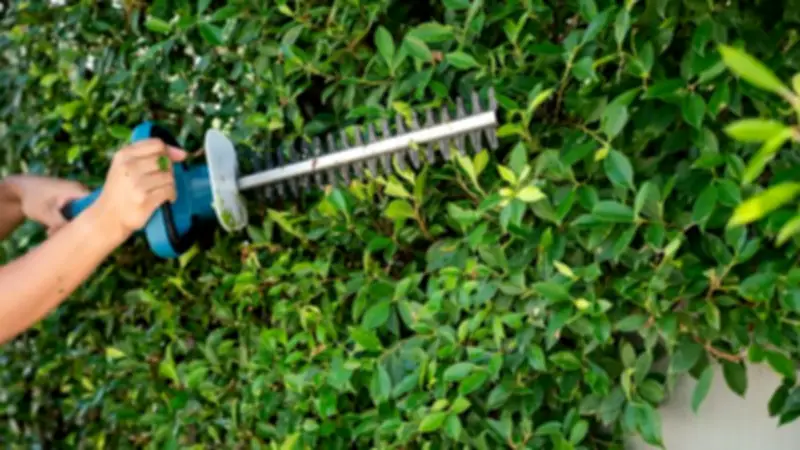
Gardeners planning a midsummer hedge trim to keep their gardens neat are being urged to reconsider. According to a gardening expert, June is the peak of bird nesting season for species such as robins, wrens, and blackbirds, and trimming can destroy active nests.
Expert Warning: Delay Trimming Until Late August
Peter Dowdall, known as The Irish Gardener, advises against cutting hedges before the end of August. He explains that people are often surprised at how late birds continue nesting and raising their young. An ordinary-looking hedge can still be full of active nests during summer, and trimming at the wrong time can destroy them. Even careful use of hedge trimmers can cause birds to abandon their nests due to noise.
Legal Protections for Birds
While it is not strictly illegal to trim garden hedges in June, it is illegal to intentionally damage or destroy an active bird's nest. The Wildlife and Countryside Act 1981 protects all wild birds, their eggs, and nests while they are in use or being built. According to the RSPB, consequences include an unlimited fine, up to six months in jail, or both. If trimming is necessary for safety or for fast-growing formal hedges, gardeners have a legal duty to check for wildlife first.

How to Check for Nests
- Do a slow walk-through: Walk the length of the hedge and peer deep inside, looking for structurally built nests or hidden pockets.
- Watch for bird behaviour: Stand back for five to ten minutes. Look for birds flying in and out of a specific spot with food or nesting materials, or making agitated distress calls.
- If you find a nest: Stop immediately and leave that section of the hedge completely untouched until the young have fully fledged, usually a few weeks.
Natural Gardening Benefits
Speaking to the Irish Mirror, Peter Dowdall noted that many plants fare better in summer when gardeners intervene less. He emphasizes that gardening is not always about doing more; the best gardeners know when not to act. A slightly looser, more natural garden is often healthier, more resilient, and better for wildlife.
Improving Growing Conditions
Peter recommends focusing on improving growing conditions rather than rushing to neaten outdoor spaces. To make gardens more resilient to hotter, drier summers, he suggests mulching around plants. Mulching helps suppress weeds competing for moisture, slows evaporation from the soil, and improves soil structure over time.
Caring for Hydrangeas in Heat
If hydrangeas start to look tired or floppy in the heat, Peter urges gardeners not to cut bits off. Usually, the issue is stress or lack of moisture rather than a need for pruning. He adds that watering little and often is a widespread error that nearly everyone commits during warmer weather. This merely wets the soil surface and can weaken plants over time. One deep soak is worth far more than five quick splashes.