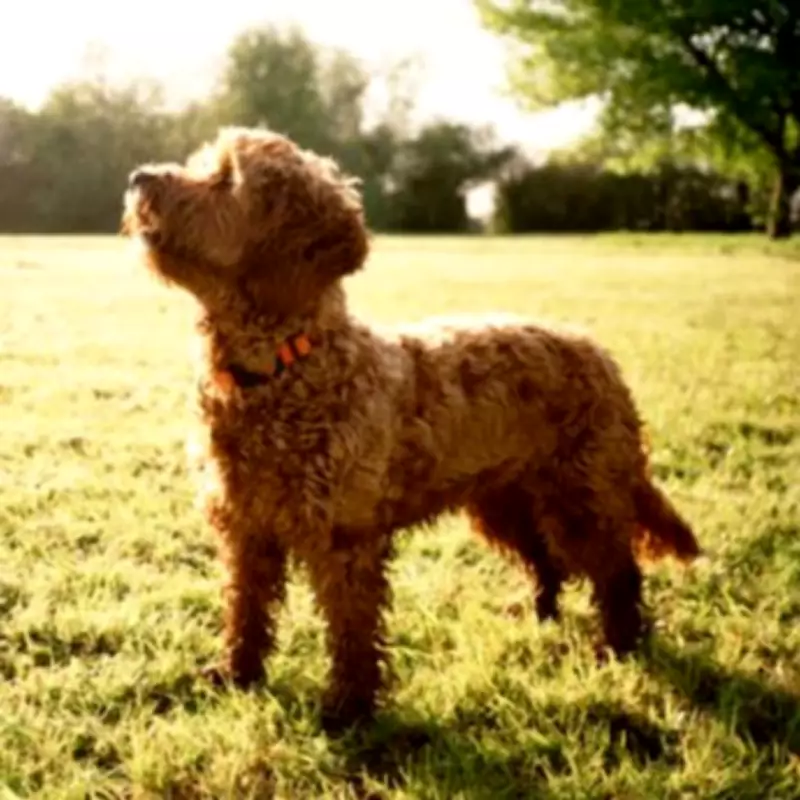
Crossbreed Dog Owners Issued Urgent Warning as Study Uncovers Behavioral Concerns
A significant warning has been issued to all crossbreed dog owners across the United Kingdom, following groundbreaking research published on Thursday. The study reveals that popular mixed breeds, including cockapoos, cavapoos, and labradoodles, display a higher incidence of undesirable behaviors compared to their purebred counterparts.
Research Methodology and Key Findings
The comprehensive study analyzed an extensive sample of 6,000 purebred dogs alongside 3,500 crossbreeds. Researchers utilized a detailed questionnaire consisting of 73 questions about canine behavior, which were used to generate ratings across 12 distinct behavior scales. The findings, published in the respected journal Plos One, specifically highlight concerns regarding crosses involving cocker spaniels and poodles, as well as cavapoos, which are mixes of cavalier king charles spaniels and poodles.
The authors of the study emphasize: "The results of this research underscore the critical importance of prospective dog owners conducting thorough pre-purchase investigations into the characteristics of any breed or crossbreed. This diligence is essential to prevent misinformed breed selection and ensure compatibility with lifestyle expectations."

Expert Commentary on Genetic and Environmental Factors
Daniel Mills, a professor of veterinary behavioral medicine at the University of Lincoln, who was not directly involved in the study, provided crucial context. "Behavior is always the product of the interaction between genes and the environment," Mills explained. "Searching for simplistic causes in either genetics or environment alone is destined to fail. While this study offers valuable insights, determining causation requires longitudinal tracking of animals and their owners over time to disentangle the primary influences behind the observed effects."
Implications Amidst Potential UK Breed Bans
This research emerges against a backdrop of potential legislative changes that could see 67 dog breeds banned in Britain under new parliamentary animal welfare guidelines. Notably, this list includes breeds such as the late Queen's beloved Corgis, highlighting the sweeping nature of the proposed measures.
The All-Party Parliamentary Group for Animal Welfare (APGAW) has introduced a new assessment tool featuring a 10-point checklist. This framework identifies what it describes as "extreme physical characteristics" that may compromise a dog's health and wellbeing. The checklist includes traits such as short noses, flat faces, excessive skin folds, drooping eyelids, mottled coloring, and bulging or outward-turning eyes.
Industry Response and Ethical Breeding Advocacy
Beverley Cuddy, editor of Dogs Today Magazine and founder of the Union of Good Dog People, which promotes ethical breeding practices, voiced concerns to The Times. "We urgently need proper, nuanced assessment methods that do not discard valuable breeds indiscriminately," Cuddy stated. "Without careful consideration, we risk losing some of Britain's most cherished dog breeds in the blink of an eye, which would be a tragic outcome for canine diversity and heritage."
The study's revelations about crossbreed behavioral tendencies, combined with the looming threat of extensive breed bans, create a complex landscape for dog owners, breeders, and policymakers. This dual focus on behavioral science and welfare legislation underscores the need for balanced, evidence-based approaches to canine management and protection in the UK.