An eye-watering £1.1bn in benefits was stolen by fraudsters posing as single claimants last year, analysis has shown. The number of single claimants pretending has risen, with scammers taking home the equivalent of £3.1 million a day.
Hidden partners cost taxpayers millions
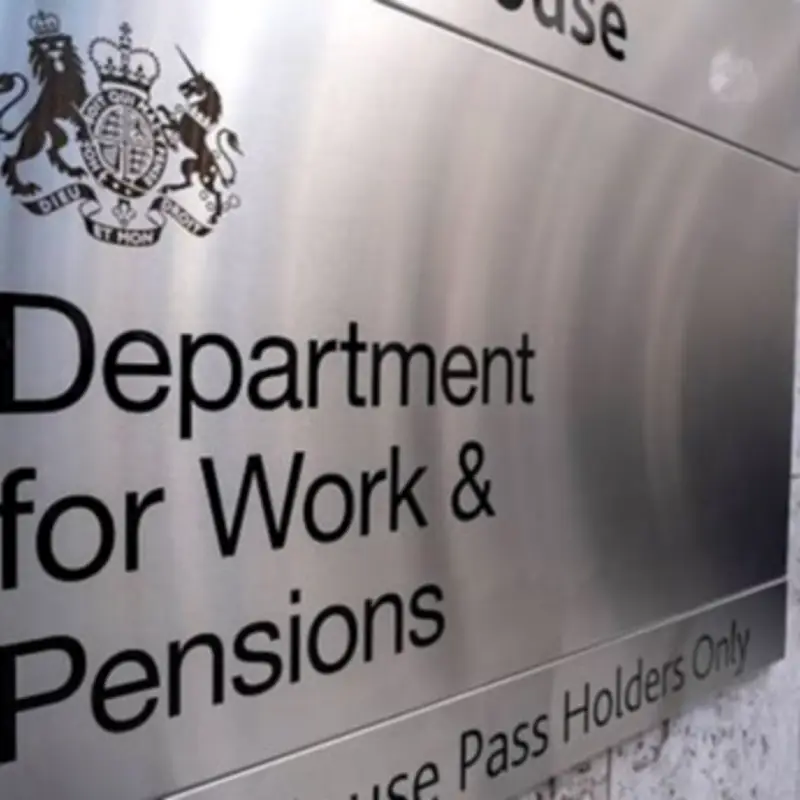
Claimants keeping their partners secret, despite living together, means they can get around £2,000 a year more than an honest pair who tell the Department for Work and Pensions (DWP). MP Sir Alec Shelbrooke said the benefits system 'needs a complete overhaul'.
Although claims for Universal Credit (UC) are made on an individual basis, in couple households, both partners' circumstances are taken into consideration in determining the benefit amount. Reflecting the economies of scale associated with living with a partner, the couple rate is lower than the amount paid to single adults.

DWP guidance on living together
DWP guidance on Living Together as a Married Couple (LTAMC) is used by decision-makers to assess whether unmarried adults living in the same household are a couple. UC payments are usually paid to one adult in the household, although under certain circumstances separate payments may be made to each partner.
Last year, a benefit-swindling couple who claimed they lived apart to con the taxpayer out of more than £50,000 blew their own cover by posting holiday photos of themselves together online. Alan Forsythe, 37, and wife Jemma, 36, lived together at their family home in Blackpool between 2019 and 2023, along with their two children and Jemma's children from a previous relationship.
DWP response
The DWP said: 'We are determined to tackle fraud and error in the system, and at just 3.2 per cent, the overall rate of fraud and error is at its lowest since the pandemic. Our new Fraud Act gives us tough new powers to go after cheats and claw back taxpayers’ money – including accessing new data from banks to help find incorrect payments.'