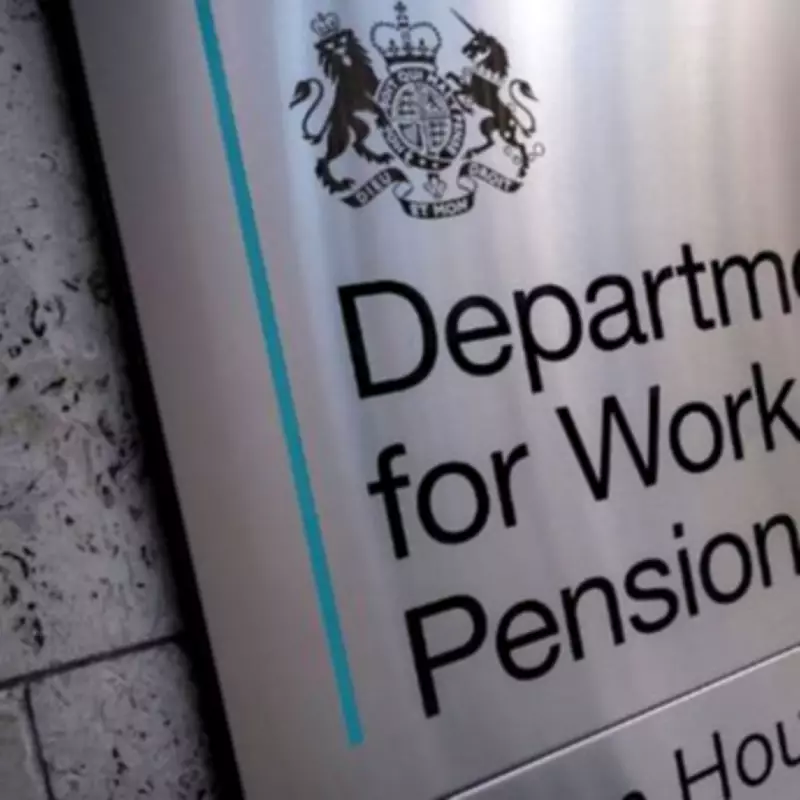
Historic Benefits Rule Change Announced by DWP
The Department for Work and Pensions has confirmed a historic change to benefits rules, scrapping the two-child limit. This landmark decision is projected to lift 450,000 children out of poverty in the final year of this Parliament, marking the largest reduction in child poverty since records began.
Impact on Families and Children
Since its introduction in 2017, the two-child limit has been identified as the biggest single driver of child poverty in the UK. Currently, 2.6 million children lack sufficient food at home, over 172,000 have no permanent home, and babies born in the poorest areas face twice the risk of dying before their first birthday. The removal of this policy is considered the most cost-effective measure available to the government for reducing poverty rates, potentially helping up to 1.5 million children across the nation.
Government and Official Statements
Secretary of State for Work and Pensions, Pat McFadden, hailed the change as a turning point, emphasizing its role in breaking cycles of disadvantage. "Scrapping the two-child limit is about more than family finances today, it's about the Britain we're building for tomorrow," he stated. Minister for Employment, Dame Diana Johnson, added that the reform will provide greater security and opportunity for hundreds of thousands of children, aiming to sever the link between background and life chances.

Support from Advocacy Groups
Dr. Philip Goodwin, CEO of The UK Committee for UNICEF, described the move as a landmark moment that offers children a fair chance and strengthens communities and the economy. Dan Paskins, Executive Director of UK Impact at Save the Children UK, called it a landmark investment in childhood, noting that abolishing the limit allows incomes to better match the real costs of raising a family, improving health, education, and job prospects for future generations.