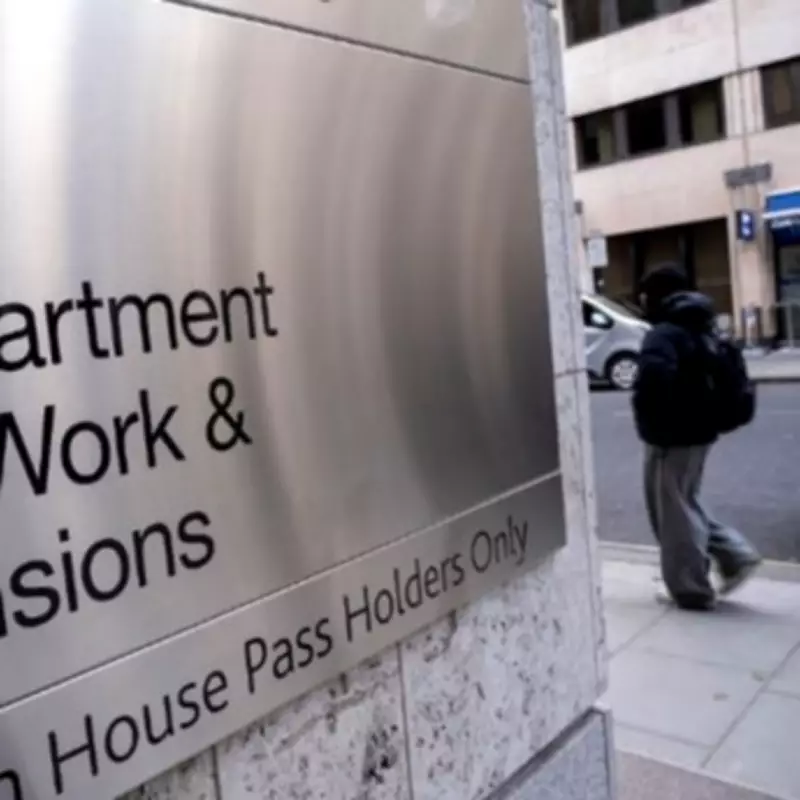
DWP Urged to Double Cold Weather Payments Amid Energy Crisis
The Department for Work and Pensions is under mounting pressure to significantly increase its Cold Weather Payments for benefits claimants, as experts argue the current £25 sum is insufficient to combat rising energy costs. These payments are triggered when temperatures drop below a specific threshold set by the Met Office, providing crucial support during cold spells.
Six Benefits Eligible for Cold Weather Payments
Claimants receiving any of six key benefits qualify for these payments when weather conditions meet the required criteria. The full list includes Pension Credit, Income Support, Income-based Jobseeker’s Allowance, Income-related Employment and Support Allowance, Universal Credit, and Support for Mortgage Interest. This comprehensive coverage aims to assist vulnerable households facing financial hardship during winter months.
Expert Calls for Payment Increase to £40-£50
Matthew Sheeran, external relations manager at financial support group Money Wellness, has been vocal about the need for higher payments. He emphasized that £25 "just doesn’t go very far anymore" given current economic pressures. With energy bills remaining elevated due to conflicts in the Middle East and Gulf regions, many households are struggling to cover heating expenses.

Sheeran stated, "Energy bills are still high, and for many households, that amount barely scratches the surface of a week’s heating costs. Increasing it to around £40 or £50 would make a much more meaningful difference for people trying to keep their homes warm." He described recent price hikes as "really worrying," noting that quotes have more than doubled in weeks, with some areas seeing typical 500-litre oil deliveries costing hundreds of pounds more.
Vulnerability of Off-Grid Households
The crisis particularly impacts off-grid and rural households relying on oil for heat and hot water, as they are not protected by the energy price cap. Sheeran explained, "That’s a huge hit for the millions of households off the gas grid who rely on oil for heat and hot water. And they’re not protected by the energy price cap, so every crude oil spike feeds straight through to their bills."
He advised affected individuals to explore options such as joining local oil buying groups for better prices, checking eligibility for schemes like the Warm Home Discount or Household Support Fund, and discussing payment plans with suppliers. However, he stressed that these measures only highlight the broader vulnerability of such households during energy price surges.
The calls for increased Cold Weather Payments come at a critical time, with claimants expressing anxiety over escalating bills. Advocates argue that uplifting these payments is essential to provide meaningful support and prevent financial distress during cold weather periods, ensuring that benefits recipients can maintain warmth and safety in their homes.