A trip to Greece for a friend's christening turned into an unexpected lesson in UK customs regulations, costing the traveller £66 in fees and taxes. The journey highlighted the complexities of bringing food and drink back from the EU, especially when shipping parcels instead of carrying luggage.
What You Can and Cannot Bring Back
The traveller, writing for Brum Daily, discovered that cheese and other dairy products are banned from the EU due to disease risks. Meat and animal products face similar restrictions, though honey is permitted. This meant the beloved feta cheese had to stay behind, despite its appeal.
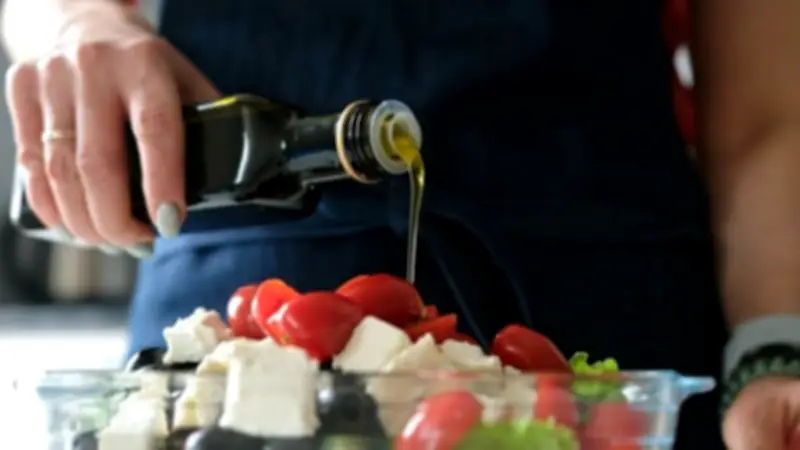
Olive oil, however, is allowed for personal use if securely packed in hold luggage. For cabin bags, containers must be under 100ml unless purchased at duty-free shops after security. The traveller's plan to ship olive oil from a friend's uncle's groves seemed ideal, avoiding the £35 each-way hold luggage fee.

The Gift Parcel Loophole and Its Pitfalls
Parcels sent from the EU to the UK marked as 'gift' are exempt from import VAT if valued at £39 or less and sent between private individuals. The traveller filled a box with olive oil, sesame snacks, chocolate-covered boubouneries, and a novelty rubber duck, paying €45 (about £39) in postage from Athens.
But the inclusion of a bottle of Cypriot dessert wine changed everything. According to UK customs rules, sending wine from the EU incurs full duties and taxes from the first bottle, even if marked as a gift. The personal duty-free allowance applies only to goods carried in luggage, not shipped items.
The £66 Bill and Its Breakdown
Just under a week after posting, Royal Mail demanded £27 in customs fees. This included excise duty, 20% import VAT on the full contents' value, and a handling fee. The total cost of £66 was still slightly less than taking a suitcase, but only just.
This experience underscores the importance of checking customs rules before shipping or carrying goods across borders. For travellers, understanding the difference between luggage allowances and parcel regulations can save money and avoid surprises.
Practical Tips for Future Trips
To avoid similar costs, consider carrying items in hold luggage where allowances apply, or purchase duty-free goods at the airport. For gifts, ensure the value stays under £39 and avoid including alcohol or tobacco, which always incur charges. Always declare items accurately to prevent delays or additional fees.
As the traveller learned, even well-intentioned souvenirs can come with hidden costs. Planning ahead and knowing the rules can make holiday memories sweeter and less expensive.