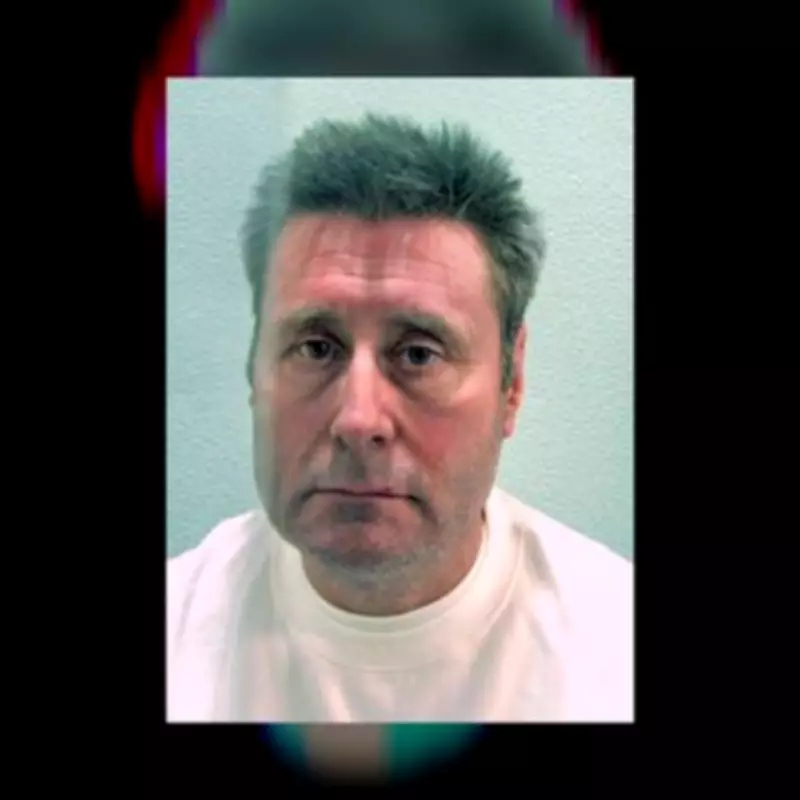
The Parole Board has refused to release serial sex attacker John Worboys, known as the black cab rapist, who will remain behind bars. The decision was announced in a statement, prompting victim Carrie Johnson to declare that "women and girls across Britain are safer."
Background on Worboys' Crimes
Worboys is a serial sexual predator who enticed women into his taxi during late-night hours, falsely claiming to have won money and offering them what appeared to be a celebratory drink that was laced with drugs. His hearing took place in private.
Mrs. Johnson, the wife of former Prime Minister Boris Johnson, wrote on social media: "It has been a hugely anxious wait knowing that Worboys was up for parole again. The relief I feel knowing that he will remain behind bars is hard to put into words. Women and girls across Britain are safer as a result of this decision."

Previous Convictions and Parole Attempts
Worboys was initially imprisoned in 2009 for 19 sexual offences connected to attacks on 12 victims between October 2006 and February 2008 in London. He received an indefinite sentence for public protection with a minimum term of eight years. In December 2017, a parole board panel determined he was suitable for release, triggering a legal challenge by two of his victims that successfully overturned the decision. Following widespread anger over the struggle, regulations were subsequently amended to allow certain parole hearings to be conducted in public and enable greater scrutiny of the procedures employed.
The widespread publicity surrounding the case prompted additional victims to come forward, leading to Worboys being charged with further crimes dating between 2000 and 2008, which he admitted to. In 2019, he received two life sentences with a minimum term of six years.
Parole Board Statement
A Parole Board spokesperson stated: "We can confirm that a panel of the Parole Board has refused the release of John Worboys following a paper review. The panel also refused to recommend a transfer to open prison. Parole Board decisions are solely focused on what risk a prisoner could represent to the public if released and whether that risk is manageable in the community. The panel were not satisfied that he no longer posed a risk to the public, and accordingly did not direct his release."
The spokesperson added: "A panel will carefully examine a huge range of evidence, including details of the original crime, and any evidence of behaviour change, as well as explore the harm done and impact the crime has had on the victims. Parole reviews are undertaken thoroughly and with extreme care. Protecting the public is our number one priority."
Under current legislation, Worboys will be eligible for a further review in due course. The date of the next review will be set by the Ministry of Justice.