The Enduring Significance of Mother's Day
Unlike many manufactured special days that retailers promote – such as National Middle Child Day – Mother's Day stands apart as a truly significant occasion. It occupies the top position on the calendar of card-buying opportunities as the one event that must never be forgotten or, worse, commemorated with last-minute flowers from a petrol station. This importance is well-deserved, given the day's deep historical roots.
Historical Origins and Modern Commercialization
Mother's Day in the UK dates back to the 16th century, when people, often domestic servants, would return to their 'mother church' and consequently reunite with their families and mothers. Today, it has transformed into a massive commercial phenomenon, characterized by extravagant spending on gifts, afternoon teas, bottomless brunches, and Sunday roasts that inexplicably cost more than usual. Despite this commercialization, it remains a cherished opportunity to enjoy cake and proudly declare, "Well, they didn't turn out so badly after all!"
The Complex Emotions Behind the Celebration
Beneath the glitter of balloons and heart-shaped jewelry, Mother's Day evokes raw and complex emotions for many individuals. While it offers a chance for celebration, it also prompts deep reflection. For mothers who have lost children, the day can serve as an unbearably painful reminder of their loss. For those struggling to become mothers, it intensifies feelings of longing. And for those who have lost their own mothers, it brings bittersweet memories. It's no surprise that many retailers now provide options to opt out of Mother's Day advertising reminders online.

Personal Memories and Changing Times
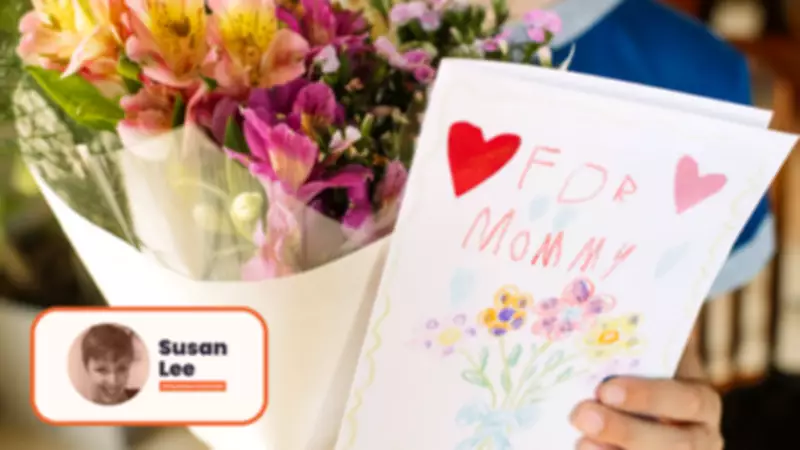
My happiest Mother's Days were when my children were young, featuring handmade cards, burnt toast served in bed, and visits from my own mother to demonstrate her unparalleled roast potato skills. Those moments brought three generations together in one room, connected by love and exceptional gravy – also prepared by her.
However, times change. My mother is no longer here, and my children are now adults with independent lives in different cities. I still receive cards and flowers, but the most precious gift – time spent together – can be challenging to arrange. One year, neither child made it home for Mother's Day. Was I disappointed? A little. Did I understand? Absolutely. That's part of parenting; life has different phases, what a friend calls 'reasons and seasons,' and adaptation is inherent to motherhood.
Embracing New Roles and Generational Wisdom
This year marks another transition for me. In the coming months, I will evolve from being a mother to also becoming a grandmother. I eagerly anticipate being a source of advice and reassurance for the expectant mother, just as I relied on my own mother and she on hers. This passing of maternal wisdom from one generation to the next is a beautiful tradition I look forward to continuing. Now, I wonder: when is National Grandma Day?
A Glimpse into Different Worlds
Recently, the National Portrait Gallery unveiled a family photograph of Elton John, his husband, and their sons. It was a pleasant image, though the teenagers appeared somewhat reluctant, as if dragged away from their PlayStation for a parental photoshoot. What intrigued me most was the background: walls lined with books on diverse figures like Tony Blair, Tina Turner, Monty Don, and Stormy Daniels, alongside globes, elegant lamps, and an East Asian figurine.
This contrasts sharply with my own home office. During the early days of Zoom meetings, I carefully curated my backdrop with tastefully arranged books, art prints, and fresh flowers. Now, it's often cluttered with unwashed mugs, a neglected plant, and, on one embarrassing occasion, underwear drying on the radiator. Yet, if Tracey Emin's unmade bed can be considered art, perhaps there's hope for my chaotic space to be displayed alongside Elton's someday.