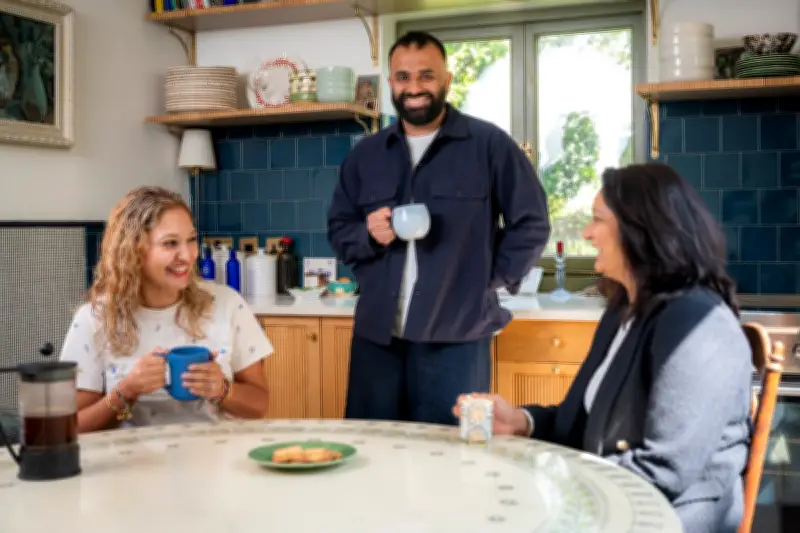
New research has revealed that more than a third of the so-called 'sandwich generation' feel overlooked by society. This group, typically aged between 30 and 60, finds themselves caring for both their children and their aging parents simultaneously.
Key Findings
The study, conducted by a leading care charity, surveyed over 2,000 individuals who fit this demographic. It found that 35% of respondents believe society does not recognize the challenges they face. Many reported feeling stressed, financially strained, and emotionally exhausted.
Impact on Wellbeing
The research highlights the significant toll this dual caregiving role takes on mental health. Nearly half of those surveyed said they had little time for themselves, and a quarter reported that their relationships had suffered as a result of their caring responsibilities.

Furthermore, the financial burden is considerable. Many have had to reduce their working hours or leave jobs entirely to accommodate their caregiving duties. This has led to increased anxiety about retirement savings and long-term financial security.
Call for Greater Support
Charities and advocacy groups are now calling for more targeted support for the sandwich generation. Suggestions include flexible working arrangements, better access to respite care, and increased financial assistance. They argue that acknowledging these challenges is the first step toward providing meaningful help.
The research also underscores the need for societal recognition. As the population ages and people have children later in life, the number of individuals in the sandwich generation is expected to grow. Ensuring they receive adequate support is crucial for their wellbeing and that of their families.