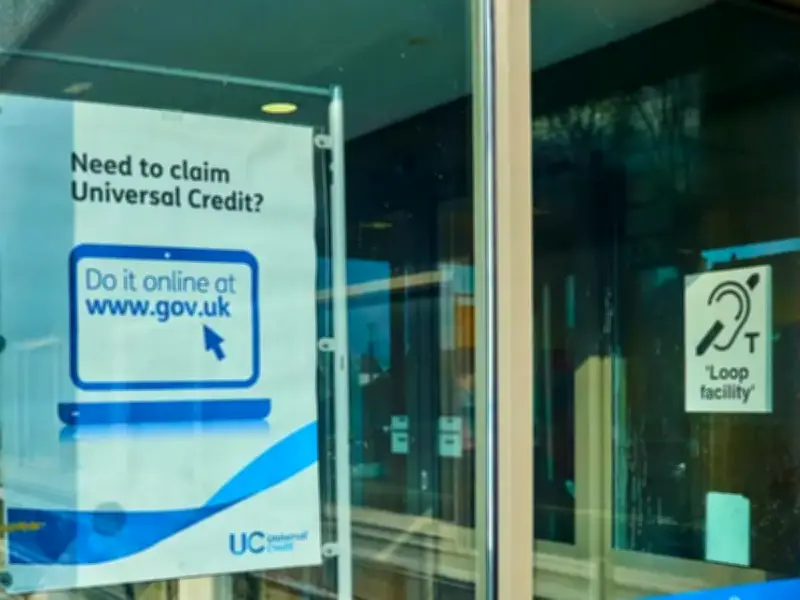
Universal Credit claimants can access a range of additional financial support this August, with six freebies confirmed by the Department for Work and Pensions (DWP). These perks, which cover everything from council tax and energy bills to prescriptions and dental treatment, could save eligible households hundreds of pounds.
Universal Credit is a monthly payment for working-age people on low incomes or out of work. As a household benefit, applications take into account both partners' income and savings if you live with a partner, with payments made into a single bank account. Claimants may be unemployed, on a low income, caring for children, or living with a health condition.
The six freebies available in August are:

- Council tax reduction – up to £239 a month
- Discounted broadband and mobile – around £36 a year
- School uniform grants – up to £150
- Energy bill grants – up to £2,000
- Free prescriptions – saving £9.90 per item
- Free dental treatment – saving up to £332.10 per course
Council tax reduction: up to £239 a month
The average Band D council tax in England for 2026-27 is £2,392, following a 4.9% increase from the previous year. Spread over 10 monthly instalments, that's £239 per month. Many claimants on benefits can have their council tax bill reduced or even wiped out entirely. Eligibility varies by local council, and the reduction can apply to single people, retirees, low-income households, and even second homes in some cases.
To apply, you must visit the government's website and submit an application through your local council.
Broadband and mobile social tariffs: around £36 a year
Broadband providers offer social tariffs exclusively to claimants of Universal Credit and other means-tested benefits. These deals provide cheaper internet and, in some cases, lower-cost phone calls. BT, for example, includes cheaper calls for low-income customers within its packaged social tariff. These packages are available to those receiving Universal Credit, the guarantee credit element of Pension Credit, Jobseeker's Allowance, Income Support, or Employment and Support Allowance.
The typical saving is around £36 a year, or £3 a month, but this can vary depending on the provider and package chosen.
School uniform grants: £150 towards costs
Families on Universal Credit may be entitled to a school uniform grant to help cover the cost of new uniforms, which can total around £150 per child. However, each local council sets its own policy and payment amount, so you must check with your local authority to see what you can claim and how to apply.
Energy bill grants: up to £2,000
Energy suppliers have schemes to help low-income customers clear debts. The British Gas Energy Trust, an independent charity, provides grants of up to £2,000 to clear energy arrears. Importantly, you don't have to be a British Gas customer to apply, as the trust operates independently of the supplier. The grant can be a lifeline for households struggling with energy costs, especially during the summer when bills may still be high.
Other suppliers also offer similar support, so it's worth contacting your own energy company to ask about available help.
Free prescriptions: save £9.90 per item
Universal Credit claimants whose earnings fall below a certain threshold can get free NHS prescriptions. This is particularly valuable for those with long-term health conditions requiring regular medication. To claim, simply tick the appropriate box on the back of your prescription form or speak to your pharmacist.
A single prescription item costs £9.90, so a three-month prepayment certificate saves money if you need more than three items, and a 12-month certificate saves money if you need more than 11 items. For frequent users, the savings can be substantial.
Free dental treatment: save up to £332 per course
In addition to prescriptions, Universal Credit claimants may qualify for free NHS dental treatment, including check-ups, cleanings, and necessary dental work. To be eligible, your earnings after tax in the last month must be under £432, or under £935 if you receive the child element or are assessed as having limited capability for work.

NHS dental treatment is charged in three bands, ranging from £27.90 for a check-up to £332.10 for more complex courses of treatment. Eligible patients save the full cost of these bands, making it a significant benefit for those who need ongoing dental care.
How to claim these benefits
Many of these freebies require an application through local authorities or individual suppliers. It's important to check the specific eligibility criteria for each scheme, as they vary. The DWP advises claimants to keep their Universal Credit details up to date and to explore all available discounts, as many people miss out on support they're entitled to.
With the cost of living continuing to rise, these six freebies offer a practical way for Universal Credit claimants to stretch their budgets further this August.