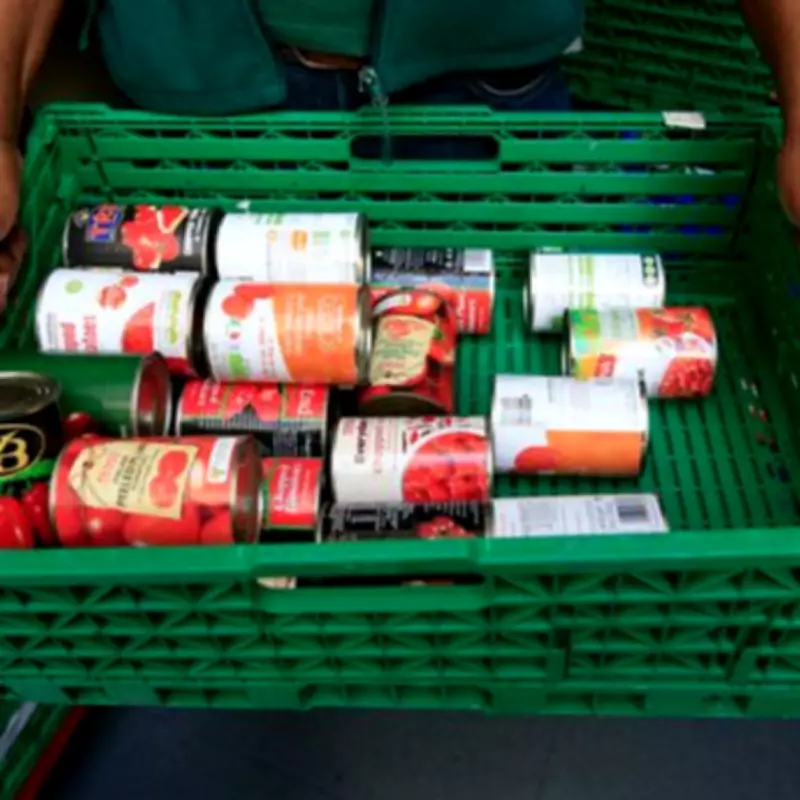
West Midlands Food Banks Distributed 230,000 Emergency Parcels in 2025
Food banks across the West Midlands provided almost 230,000 emergency food parcels to individuals and families facing hunger and hardship in 2025, according to new data released by the Trussell Trust. This staggering figure highlights the deepening crisis of food insecurity in the region, with the charity reporting that the number of parcels distributed has surged by 41 percent compared to levels before the pandemic and the cost of living crisis began.
Daily Distribution Equivalent to 628 Parcels
The Trussell Trust's community of food banks in the West Midlands delivered the equivalent of 628 parcels every day last year, which translates to one parcel being provided every two and a half minutes. This relentless pace underscores the severe and ongoing need for emergency food assistance among residents who are struggling to make ends meet.
Helen Barnard, director of policy and research at Trussell, expressed grave concern over the situation. "Today’s figures show that too many people across the West Midlands are still being pushed to the brink," she said. "Even as we gain hope from people getting back on their feet, we cannot lose sight of the heartbreaking injustice that such shocking numbers of people are still trapped in the grip of severe hardship."

Families and Older Adults Hit Hardest
The data reveals that families with children were disproportionately affected, receiving 60 percent of all emergency food parcels in 2025, despite comprising only 43 percent of the population in the West Midlands. Parents have been forced to make difficult sacrifices, such as skipping meals to ensure their children can eat, highlighting the dire circumstances many households face.
Additionally, there has been a significant increase in hardship among older individuals. The number of parcels given to those aged 65 and over more than tripled between 2019 and 2025, indicating that this demographic is increasingly vulnerable to food insecurity and financial strain.
Residents Feel "Overlooked and Left Behind"
According to the Trussell Trust, many West Midlands residents feel "overlooked and left behind" as income from work and social security fails to cover essential costs like food, utility bills, and other daily necessities. The charity has described the hardship witnessed by food banks as "appalling," with reports of individuals sitting in the dark to save electricity and people opening food parcels immediately upon receipt due to urgent need.
"This isn’t right," Barnard emphasized. "Too many people are being forced to skip meals so their children can eat, or survive on cups of tea because they don’t have any food left in the cupboards. The pandemic and cost of living crisis have left deep scars. Severe hardship still weighs heavily on daily lives."
Calls for Government Action
The Trussell Trust is urging the UK government to take meaningful and lasting action to address the root causes of food poverty. While acknowledging that slowing price rises is a positive step, the charity argues that it is insufficient to tackle the scale of severe hardship facing communities. Bold policy choices, such as ending the two-child limit on benefits, are seen as necessary measures to ensure everyone has enough to afford essentials.
"We need the UK government to continue to take meaningful and lasting action so all of us have what we need to get by," Barnard stated. "But we cannot stop until everyone has enough to afford the essentials and we can end the need for food banks for good."
The ongoing crisis in the West Midlands serves as a stark reminder of the urgent need for comprehensive solutions to combat food insecurity and support vulnerable populations across the region.