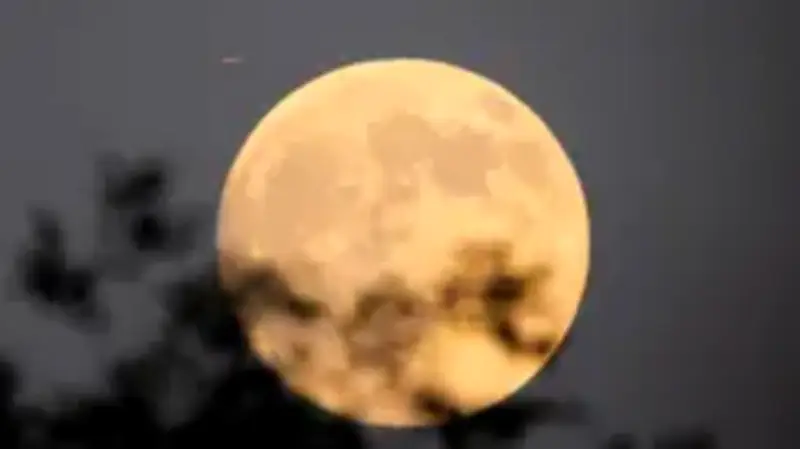
The Harvest Moon will light up UK skies on September 26, 2026, appearing larger and more colourful than typical full moons, according to astronomical guides. Visible from sunset and remaining for roughly three nights, this lunar event marks the shift from summer to autumn and offers stargazers a chance to spot Mars as a bonus.
When to see the Harvest Moon in the UK
In the UK, the full Harvest Moon will be visible on September 26th. The sky spectacular will be visible from sunset and should be around for three days. Unlike the lunar eclipse seen in August, this event is not an eclipse but still provides a striking display for astronomers and casual observers alike.
Every month's full moon carries a name, and September's is tied to the September equinox, also known as the autumnal equinox. This timing traditionally signalled the harvest period, giving the moon its familiar name.

Why the Harvest Moon stands out
Although it is not considered a super moon for 2026, the Harvest Moon will appear with a more yellow-orange hue than other full moons. This distinctive colour and shade contribute to its name and visual appeal. It may also seem larger than usual, but this effect is known as the "moon illusion" rather than a real change in size.
Around this time, Mars will also be easy to spot in the night sky. Another special feature is that the moon rises quickly and almost at the exact same time for the three nights it is full, a behaviour unique to this lunar phase.
Why is it called the Harvest Moon?
The name comes purely from the time of year. Occurring near the September equinox, it helps signify the switch from summer to autumn. According to legend, farmers used the unusual red glow of this moon to work later at night to harvest their final crops, making it a practical tool as well as a celestial sight.
Best places to view the Harvest Moon
Anywhere with a clear and open space is perfect for viewing September's moon. The main factor affecting visibility is the weather, as a cloudy sky can obstruct views. The moon should be easily visible with the naked eye, but a telescope is recommended for spotting Mars and getting a closer view of the lunar surface.
With clear skies expected in many parts of the UK, the Harvest Moon on September 26 promises to be a memorable sight for all who look up.