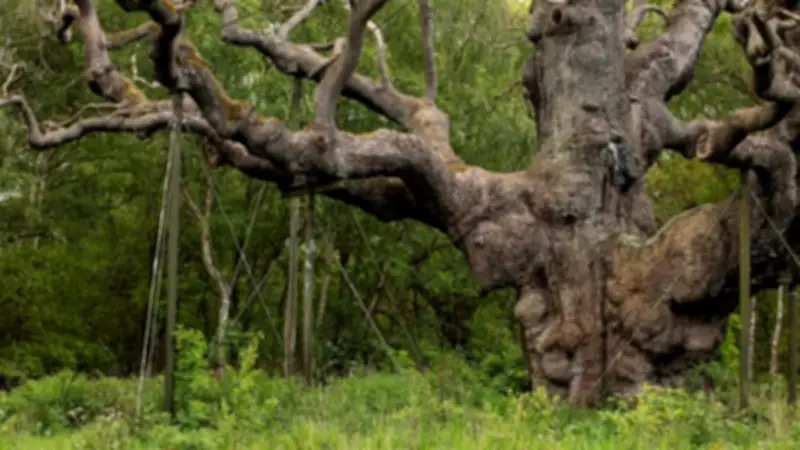
The legendary Major Oak, a 1,200-year-old tree in Sherwood Forest associated with Robin Hood, has died. Experts confirmed the iconic oak is dead after it failed to produce any foliage this spring.
Decline and Causes
The RSPB, which oversees the ancient woodland, stated the tree had been deteriorating for several years. Factors include a century of well-intentioned structural intervention, millions of historical visitors, and recent climate change-driven heatwaves and droughts. Millions of visitors walking around the base compacted the earth, preventing nutrients and rainwater from reaching the root system.
Heartbreaking Loss
Hollie Drake, senior site manager at RSPB Sherwood Forest, called the tree's failure to produce leaves "heartbreaking for everyone." However, she noted the Major Oak will have a lasting legacy due to its link to Robin Hood and Sherwood Forest. The landmark will remain in place as a monument for nature and visitors, continuing to provide habitat for wildlife.
Historical Significance
The tree won a national award from the Woodland Trust in 2014 and was the first entry on their historic register. Ed Pyne, senior conservation adviser at the Woodland Trust, called for stronger legal protections for ancient woods and trees, warning that excessive tourism in Victorian times caused irreversible damage.
The oak was growing during the Norman conquest and survived the chopping of surrounding timber for St Paul's Cathedral, shipbuilding for Nelson's fleet, and factories. Its name came from Major Hayman Rooke, who featured it in a 1790 book, sparking a tourism boom.
Structural Interventions
Artificial props added to heavy branches from the early 20th century contributed to decay. The public could climb inside until a fence was erected in the 1970s.
Future Legacy
Chloe Ryder, RSPB estate operations manager, said surveys revealed a strangled and starved root system. The RSPB noted that data gathered will help protect other historic trees, and saplings grown from the oak's acorns have been planted worldwide.