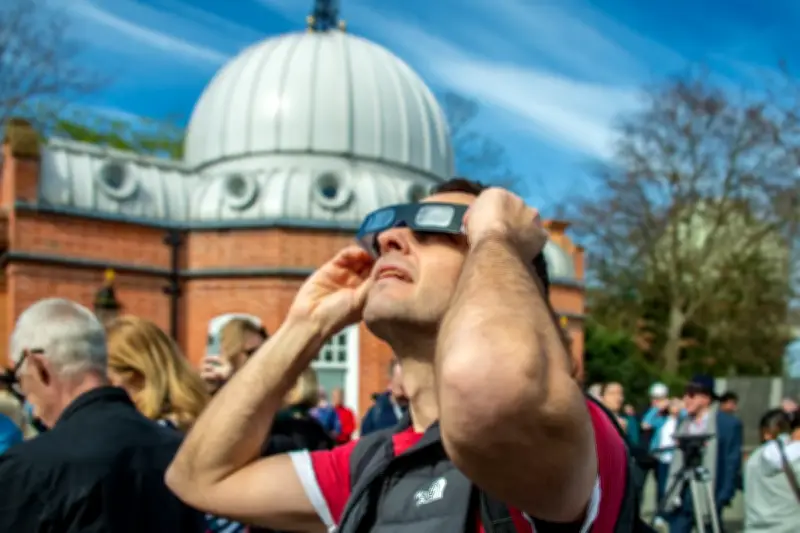
On Saturday, March 29, 2025, skywatchers across the United Kingdom will witness a partial solar eclipse, a celestial event where the Moon passes between the Sun and Earth, casting a shadow that partially obscures the Sun's disk. According to the Royal Astronomical Society, the eclipse will be visible from all parts of the UK, with varying degrees of coverage depending on location. In London, observers can expect about 30% of the Sun to be covered at maximum eclipse, while in northern Scotland, coverage could reach as high as 47%. The event is a spectacular reminder of our place in the solar system, but it also carries significant risks if viewed improperly.
When and Where to Watch
The partial eclipse will begin at approximately 10:07 AM BST in London, reaching its maximum at 11:03 AM, and ending by 12:00 PM. Times will vary slightly across the country, with western regions seeing it a few minutes earlier. The exact timing and coverage percentage can be checked on dedicated websites, such as timeanddate.com, which provide location-specific data. For the best viewing experience, find a location with a clear, unobstructed view of the southern horizon, as the Sun will be relatively low in the sky during the event.
Critical Safety Warnings
The most crucial advice from astronomers and health experts is to never look directly at the Sun without proper eye protection. Doing so can cause permanent retinal damage or even blindness. The only safe ways to observe the eclipse directly are through specially designed solar filters, such as eclipse glasses that meet the ISO 12312-2 international safety standard, or by using a pinhole projector to create an indirect image. Regular sunglasses, smoked glass, or camera lenses are not safe and should never be used. According to the NHS, even brief exposure to the Sun's rays can harm the eyes, so caution is paramount.
Alternative Viewing Methods
For those who cannot obtain certified eclipse glasses, there are several safe alternatives. One popular method is to create a pinhole projector using two pieces of cardboard: make a small hole in one piece and let sunlight pass through it onto the other piece, which acts as a screen. This projects a small image of the Sun that can be safely observed. Another option is to use a colander or a tree's leaves, which naturally create pinhole effects. Additionally, many observatories and science centers will host live streams of the eclipse, allowing people to watch from the comfort of their homes without any risk.
Livestream Opportunities
Several organizations will provide live coverage of the eclipse. The Royal Observatory Greenwich typically streams major celestial events on its website and YouTube channel. Similarly, the Virtual Telescope Project, based in Italy, often offers global live feeds. These streams are an excellent option for those in cloudy regions or for anyone who prefers to watch safely indoors. Viewers can also follow social media hashtags like #SolarEclipse2025 to see real-time updates and images from around the world.
Impact on Daily Life
While a partial eclipse is a fascinating event, it does not cause significant disruption to daily activities. However, there may be slight changes in natural light, with the sky dimming noticeably in areas with higher coverage. Animals might exhibit unusual behavior, as they can sense the change in light. For photographers, it is essential to use solar filters on cameras and lenses to prevent damage to equipment and eyes. Schools and community groups are encouraged to organize supervised viewing sessions with proper safety measures in place.
Expert Advice and Historical Context
Dr. Emily Brunsden, a physicist at the University of York, emphasized in a recent interview that "the key to enjoying an eclipse is preparation. Ensure you have the right equipment and know the timings for your location." This sentiment is echoed by the UK Space Agency, which advises checking weather forecasts and having a backup plan, such as a livestream, in case of cloud cover. The last partial solar eclipse visible in the UK was in October 2022, and the next one after 2025 is expected in August 2026, making this a relatively rare opportunity for many.
Conclusion
In summary, the partial solar eclipse on March 29, 2025, is a must-see event for UK residents, but safety must come first. Always use certified eclipse glasses or indirect viewing methods, or tune into a reliable livestream. By following these guidelines, you can safely enjoy this astronomical spectacle and share the experience with friends and family. Mark your calendars and prepare in advance to make the most of this celestial show.