The education community in the West Midlands has been shaken by the case of Tsvetelina Kaliszan, a teacher at Elm Tree Primary Academy in Wednesbury, who has received a lifetime prohibition order from the Teaching Regulation Agency (TRA). The 44-year-old educator was found to have physically abused a vulnerable autistic boy in her care during a soft play session on 3 May 2024.
The incident occurred when the Year 3 pupil urinated in the ball pit and subsequently removed his clothing. Kaliszan, who was responsible for managing a "challenging class of pupils", responded by placing the child over her knees and spanking his bare bottom twice. The action was heard by two colleagues who were present in the same room.
Those colleagues immediately intervened, with one asking "what are you doing" and another warning "be careful". They later described the sound of the smacks as "clear" and unmistakable above the play area's ambient noise. One witness stressed that it was "not a light tap", directly contradicting the teacher's later defence.
Teacher's Initial Admission and Retraction
On the day following the incident, Kaliszan approached senior staff and admitted she had done "something bad". She claimed that "things happened very quickly" and she "panicked" in the heat of the moment. However, when formal proceedings began, she retracted this confession and instead claimed she had "simply tapped" the child through his clothing.
The panel heard how Kaliszan's revised version of events was inconsistent with the physical evidence and the testimony of the two witnesses. The fact that the child's bottom was bare was established by the witnesses, who saw the moments leading up to the smacks. This detail was crucial in determining that the teacher's actions went far beyond any acceptable form of physical intervention.
Regulatory Decision and Lifetime Ban
The TRA panel ruled that Kaliszan's conduct constituted unacceptable professional conduct, a finding that carries severe consequences for any educator. The panel's written decision noted: "Physical abuse of a child in these terms was clearly never acceptable and represented a serious transgression by a teacher of their most basic and fundamental task, to keep children safe."
In their reasoning, the panel highlighted the particular vulnerability of the victim, who has autism and was in a state of distress after the ball pit accident. The panel determined that Kaliszan's response was not a proportionate or lawful use of force, but rather a form of chastisement that has no place in a modern special educational needs environment.
Kaliszan, who had amassed 20 years of teaching experience and maintained a clean disciplinary record prior to this incident, was handed the harshest possible sanction. She is now barred from teaching in any school, sixth form or children's services setting in England. The lifetime ban reflects the severity of the breach of trust and the need to protect children from similar incidents in the future.
Police Caution and Legal Aftermath
Beyond the professional punishment, Kaliszan also faced legal consequences. In July, she accepted a police caution for wilfully assaulting a young person under the age of 16. A caution is a formal warning recorded on an individual's criminal record, and it requires an admission of guilt. While the case did not proceed to court, the caution stands as a permanent mark against her name.
The dual sanctions – both regulatory and legal – underscore the seriousness with which the authorities view any physical abuse of children. Safeguarding experts have pointed out that even experienced teachers can find themselves in situations where they react inappropriately, but the standards are absolute and there is no excuse for striking a child.
Impact on the School and Wider Lessons
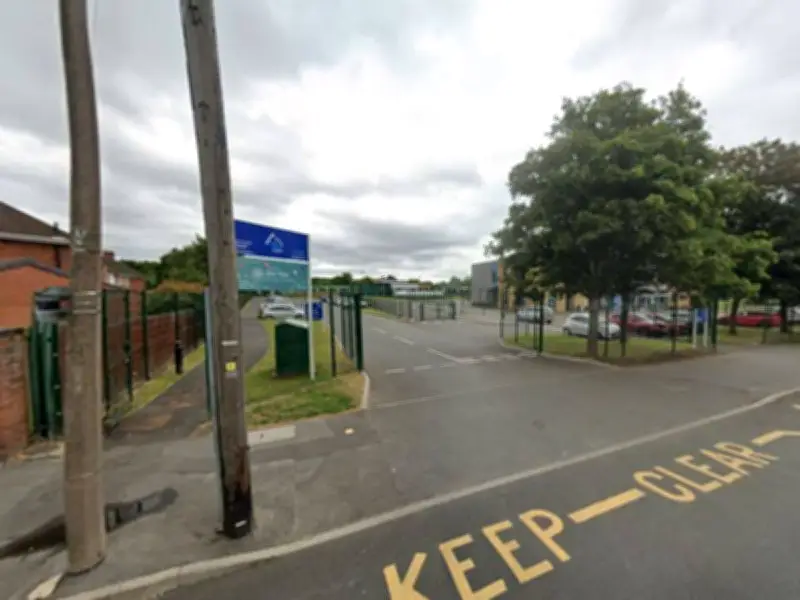
Elm Tree Primary Academy, which is based on Friar Park Road in Wednesbury, has not issued a public statement regarding the outcome. However, the school is likely to face questions about its safeguarding culture and how such an incident could occur under the supervision of a supposedly experienced teacher. The school's leadership will be reviewing its policies and training to ensure that all staff understand the boundaries of physical intervention.
For the wider education sector, this case serves as a stark reminder that teachers are in a position of immense responsibility. The TRA's decision reinforces the principle that children's safety is paramount, and that any deviation from that principle will result in career-ending consequences. It also highlights the importance of colleagues speaking up when they witness wrongdoing, as the two whistleblowers did in this instance.
Kaliszan retains the right to appeal the decision, though legal observers suggest that any appeal would face an uphill battle given the weight of evidence. In the meantime, her career in education is over, and the message to the profession is unmistakable: the protection of children comes first, always.