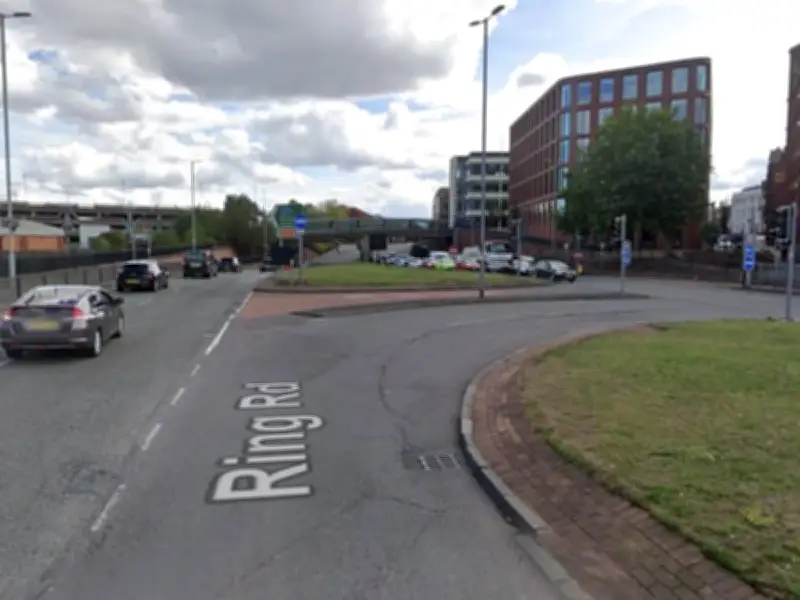
The A4150 ring road in Wolverhampton has been identified as the most congested high-traffic A-road outside London, according to the latest Department for Transport (DfT) data. Drivers face an average delay of two minutes and 12 seconds for every mile travelled during peak periods, placing the road eighth on the national list for worst delays.
The ring road encircles Wolverhampton city centre and connects to several busy routes. Its daily congestion is driven by a combination of busy junctions and numerous traffic lights, which cause traffic to build up regularly during morning and evening rush hours. The DfT figures show that the top seven most delayed roads are all located in the capital, with the Wolverhampton ring road being the first outside London.
Birmingham's A4540 also among worst affected
Birmingham's A4540, which includes sections known as Ladywood Middleway, Lee Bank Middleway and Belgrave Middleway, also features prominently in the data. It sits just outside the top 10, making it one of the worst-performing A-roads in the country for delays.
The analysis was carried out by Marshall Motor Group, which examined DfT data on high-traffic A-roads. A spokesperson for the group said: "Seven of the 10 worst-performing roads are in London, but some of the biggest delays are being recorded well beyond the capital. The A4150 through Wolverhampton is the most delayed high-traffic A-road outside London, adding around two minutes and 12 seconds per mile compared with free-flowing conditions."
Impact on commuters and driving advice
Ben Welham, motoring expert at Marshall Motor Group, explained why these roads experience such significant delays. He said: "Busy A-roads often have junctions, traffic lights, merging traffic and lots of local journeys, so it doesn’t take much for traffic to start slowing down."
Welham highlighted the cumulative effect on regular commuters: "For commuters, a road that regularly adds a minute or two for every mile can make a real difference over the course of a week, especially when roadworks or incidents add to the usual congestion. More than four extra minutes for every mile is a lot of additional time, particularly when the median across the high-traffic roads we looked at is less than a minute."
He advised drivers to plan ahead: "If you know your regular route is prone to delays, check live traffic before setting off and give yourself a little extra time where you can. Avoiding unnecessary acceleration and braking in slow-moving traffic can also make the journey easier and help reduce fuel use."
The DfT data underscores the scale of congestion on these key routes, with the Wolverhampton ring road standing out as a particular hotspot for delays outside the capital.