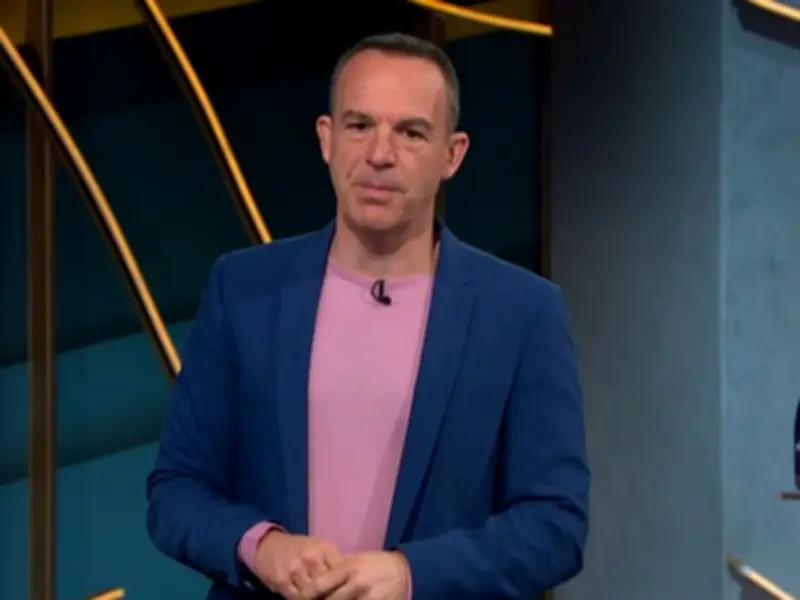
Martin Lewis has shared a promising update for households across the UK currently bracing for the energy bill price rise.
Ofgem confirmed that the energy price cap will rise by 13% for the period of 1 July to 30 September 2026. For a typical household with average usage paying by Direct Debit, this increases the average annual bill from £1,641 to £1,862.
Since then, the US and Iran have struck a deal to bring the conflict in the Middle East to an end and reopen the Strait of Hormuz for global trade. The blockade around the Strait caused oil and gas prices to skyrocket around much of the world, including the UK which is already battling eye-watering costs.

The MoneySavingExpert.com founder says natural gas prices have dropped almost 2% following Sunday's agreement. Brent crude oil has also fallen 4-5% to around $82 a barrel after the deal reopened the Strait of Hormuz.
Martin explained: "The US and Iran signing a framework deal has pushed natural gas prices down. The good news is that this could lead to slightly cheaper fixed tariffs being launched in the coming days."
For those worried about the price cap next month, there is still time to switch to a fixed tariff. Because switching energy providers or locking in a new deal with your current supplier typically takes anywhere from a few days to two weeks, you need to act now if you want the fix to protect you the moment the July price hike hits.
Martin Lewis said: "The Middle East conflict will finally force its way onto most people's energy bills from July, with a 13% rise in the Price Cap. The hit will be biggest for higher users, especially those who use gas, as the change is in the cost of each unit of energy used rather than the daily standing charge. The gas unit rate is up 28%, with electricity up 6%.
"While there'll understandably be much argument in political circles about who or what's to blame, the key for consumers' pockets is that these changes only apply to those on firms' bog-standard tariffs. Those on fixes won't see a rise. And that means everyone on the Price Cap should consider getting off it, if they can, for example by locking in a fixed rate below the current Cap – up to 4% below. Do that and you start saving straight away, and then from July the fix will be 15% cheaper than the Cap.
"By October, things for those who stay on the Price Cap are likely to be even worse, with it predicted to rise again by a couple of percent. And even if the conflict in the Middle East ended tomorrow, while that may mean the Cap drops a bit rather than rises in October, it’s unlikely we'd see it return to where it is today. So, fixing seems the risk-averse bet for most.
"Sadly, cheap fixes aren't available for those on prepayment meters, but most people paying by Direct Debit can lock in cheaper deals. Don't stick with your own firm's fix though, many don't have cheap deals. Your exact cheapest tariff depends on usage and where you live, so ensure you do a whole-of-market comparison.
"The MSE Cheap Energy Club does that by default. If you're using other comparison sites, be careful, most hide tariffs that don't pay them, and the cheapest fixes at the moment often don't pay. So, ensure you find the small 'show all tariffs' button on the page."