
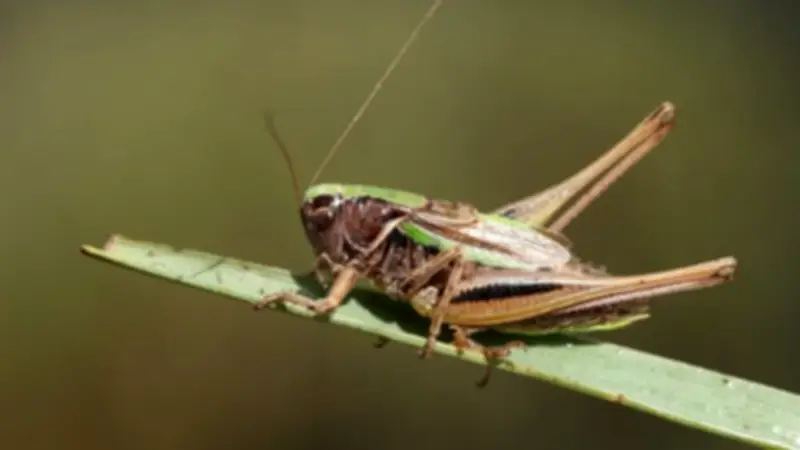
A brand new nature project aims to save the rare bog bush cricket by breeding them in people's homes. Local volunteers will look after the creatures before releasing them back into their natural environment.
The conservation charity Citizen Zoo is leading the scheme to help the struggling insect populations across East Anglia. These creatures have faced severe declines because their damp wetland homes have been broken up and destroyed. In the past, these distinctive insects could be found living in many different places. However, the fragile species can now only be found in a very small number of areas.
Previous success with large marsh grasshopper
This exciting plan follows a highly successful initiative that saved another rare insect, the large marsh grasshopper. That previous scheme managed to return Britain's biggest grasshopper to damp areas across Norfolk and Cambridgeshire, writes Rebecca Speare-Cole.
Elliot Newton, director of rewilding at Citizen Zoo, said: “We are incredibly excited to apply a similar methodology that has already delivered remarkable success with the large marsh grasshopper to a new species, the bog bush cricket.”
Everyday heroes were taught exactly how to look after the grasshoppers inside their own properties. Since the initiative started back on July 10, 2018, more than 8,000 insects have been put into the wild.
Overcoming challenges
The charity reports that the grasshoppers are now doing incredibly well on their own. They are successfully breeding without human help and returning to places where they had not been seen for decades.
However, experts believe that the bog bush cricket will be much trickier to look after safely. This is because they can sometimes eat each other and take two full years to grow up. Stuart Green, an entomologist who has overseen the large marsh grasshopper recovery project, said: “We will be testing a few methods that might get around these problems and allow us to rear significant numbers of the bush cricket for release into the wild.”
Limited habitat and mobility
The specialists explain that these crickets live in just a few damp spots across Norfolk. Because they possess short wings and are unable to fly, they cannot easily move to new homes.
Stuart Green added: “The bog bush cricket has a scattering of sites in Norfolk, on wet heathland, but it almost always has short wings and cannot fly, so its ability to colonise suitable new sites is very limited. It just needs a little help.”
Building a team for the future
To get things started, the wildlife group is looking to hire a new part-time team leader. This person will create the official breeding rules and organise the public volunteers for the future.
The new employee will work alongside the charity's current insect experts to achieve their goals. It is hoped this teamwork will create a strong foundation for the insect's long-term survival.
Mr Newton said: “At a time when ecological decline can often leave people feeling powerless, community-led projects like this offer something vital – hope. They show that local people can play a direct role in restoring nature and shaping a wilder future. This project demonstrates that, with the right support and opportunity, communities can become a powerful force for ecological recovery.”