Motorists Face Heavy Fines for Excessive Vehicle Emissions Under UK Law
Motorists across the UK are being issued a stern warning about a strictly-enforced regulation that could result in fines of up to £1,000 for excessive vehicle emissions. Driving a car with a compromised or altered emissions control system is a direct path to an immediate MOT failure and potential penalties.
It is illegal to operate a vehicle that no longer meets the air quality standards it was originally designed for, as stipulated by the Road Vehicles (Construction and Use) Regulations. While car owners risk a £1,000 fine, the consequences are even more severe for those driving vans, lorries, or buses, where fines can escalate to £2,500 if the case proceeds to court.
National Push for Cleaner Air
The UK's 'Road to Zero' strategy is currently fueling a nationwide initiative for cleaner air, positioning emissions checks as a central component of the annual MOT test. According to health data, poor air quality remains the most significant environmental threat in the country, often leading to strokes, chronic heart disease, and severe respiratory issues.

Red Flags for Emissions System Issues
Car insurance expert Ian Wilson, from Tiger.co.uk, emphasized the importance of proactive measures. "If you suspect your car isn't running as cleanly as it should, you must act quickly to stay on the right side of the law," he said. Watch for these common indicators that your emissions system is struggling:
- Strange noises: A persistent rattling sound from beneath the chassis often signals a loose exhaust or a failing catalytic converter.
- Pungent smells: If you notice a strong scent of unburnt fuel inside the cabin, your filters are likely failing to process exhaust gases correctly.
- Discoloured smoke: Thick black smoke typically points to a rich fuel mixture, while blue smoke suggests your engine is burning oil.
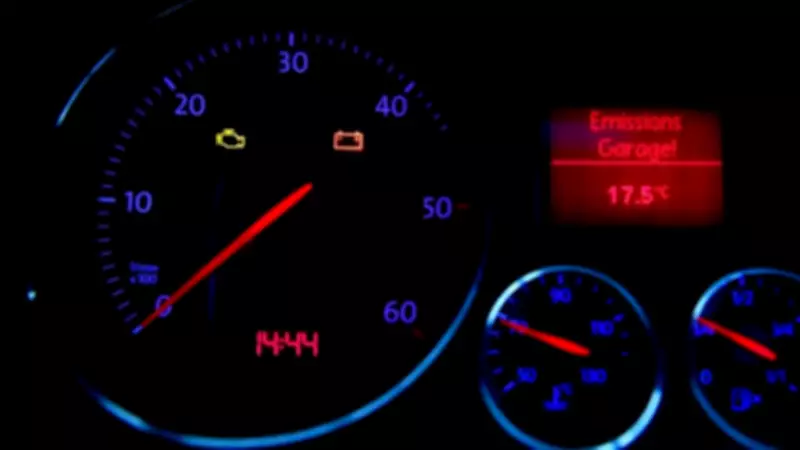
- Warning lights: Never ignore a DPF (Diesel Particulate Filter) or 'Check Engine' light, as these often indicate a critical blockage.
- Performance drops: Sluggish acceleration or a rough idle are classic signs that your engine is no longer burning fuel efficiently.
Why Your Filters Matter
Diesel cars depend on DPFs to trap soot, but these can easily fail if you only take short trips or neglect regular servicing. Similarly, the catalytic converter in a petrol car is essential for neutralising toxic gases, yet it can become ineffective due to general wear and tear or tampering.
Wilson explained, "Many drivers don’t realise vehicles which give off more harmful emissions than they should can lead to MOT failures and hefty fines. Components like diesel particulate filters and catalytic converters are there to reduce the amount of harmful pollutants being released into the air, so if they’re not working properly or are tampered with, the vehicle may no longer meet legal emissions standards."
Expert Advice on Legal and Environmental Risks
Ignoring these faults not only damages the environment but also jeopardizes your legal standing as a driver. Most emissions problems are classified as 'major' faults during an MOT, meaning the car cannot be legally driven until repairs are completed and a retest is passed.
Wilson added, "Common signs that a vehicle may be producing excessive harmful pollutants aren’t always obvious at first, so we’re urging drivers to pay attention to unusual rattling sounds, strong fuel smells, and DPF and engine management warning lights on the dashboard. Taking action early not only keeps the vehicle roadworthy and avoids fines, it also reduces harmful air pollution and helps ensure your car insurance remains valid."