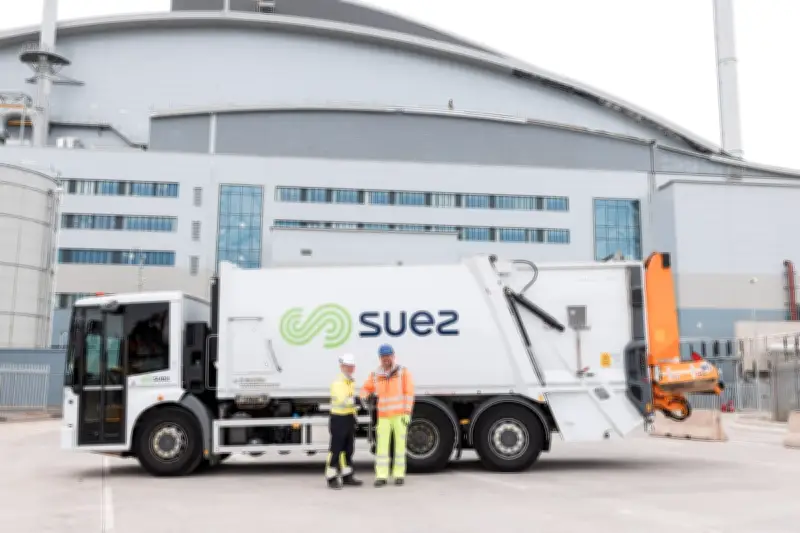
The first waste has arrived at the new West Midlands Combined Authority (WMCA) energy-from-waste facility, marking a major milestone for the region's waste management strategy. The facility, located in Tyseley, Birmingham, is designed to process up to 350,000 tonnes of non-recyclable waste annually, converting it into electricity for the National Grid.
What Happened
On Wednesday, the first delivery of waste was tipped into the facility's reception hall, signalling the start of a 10-week commissioning phase. The plant will eventually generate enough electricity to power around 50,000 homes, significantly reducing the amount of waste sent to landfill.
Details of the Facility
The energy-from-waste plant is part of a wider WMCA initiative to improve recycling rates and reduce carbon emissions. It uses advanced thermal treatment technology to burn waste at high temperatures, producing steam that drives turbines to generate electricity. The facility also captures metals for recycling from the bottom ash.

According to WMCA, the plant will treat waste from seven local authority areas across the West Midlands, including Birmingham, Coventry, and Wolverhampton. It is expected to create 40 permanent jobs and 200 construction jobs.
Impact on the Region
The arrival of waste at the facility is a crucial step in the WMCA's goal to achieve a 50% recycling rate by 2025 and to become a net-zero carbon region by 2041. By diverting waste from landfill, the plant will save approximately 200,000 tonnes of carbon dioxide equivalent emissions per year.
"This is a fantastic achievement for the region," said Andy Street, Mayor of the West Midlands. "The energy-from-waste facility will help us tackle the challenge of non-recyclable waste while generating clean energy for local homes."
Community and Environmental Benefits
The facility has been designed to meet stringent environmental standards, with emissions monitoring and air quality controls. It will also provide heat to nearby homes and businesses through a district heating network, further reducing carbon emissions.
Local residents have been kept informed throughout the construction process, and the WMCA has committed to ongoing community engagement. The plant is expected to be fully operational by early 2024.