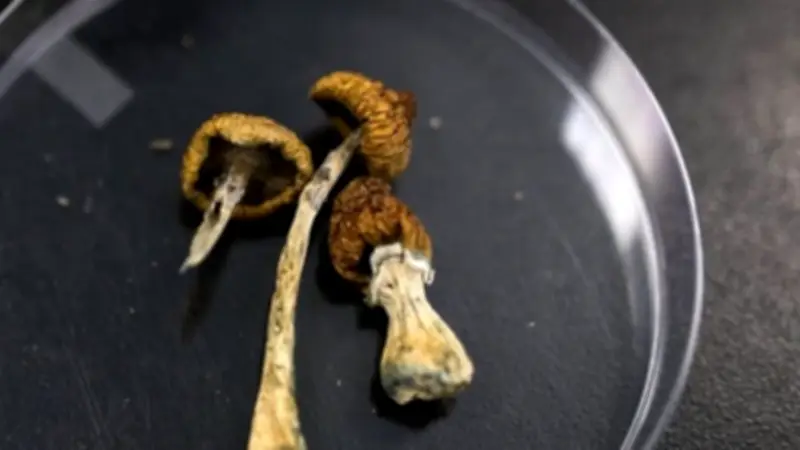
A landmark study has revealed that psilocybin, the natural psychedelic compound in magic mushrooms, could offer significant relief for individuals with depression that has not responded to conventional treatments. In the first publicly funded trial conducted in community settings rather than hospitals, symptoms went into remission in four out of ten participants.
Groundbreaking Trial Results
Led by King's College London and published in Nature Medicine, the trial involved 60 patients from the South London and Maudsley NHS Foundation Trust who had previously failed at least two treatments for depression. Half received a 25mg dose of psilocybin, while the other half received a placebo, with all participants receiving psychological support throughout the study.
The findings were striking: 43% of those taking psilocybin achieved a treatment response after three weeks, increasing to 56% at six weeks. In contrast, only 3% of the placebo group showed similar improvement. Furthermore, 40% of patients in the psilocybin group entered remission—meaning their symptoms no longer met clinical criteria for depression—within three weeks, compared to just 3% in the placebo group, and this remission was sustained at six weeks.

Expert Insights and Patient Experiences
Professor James Rucker, from King's College London's Institute of Psychiatry, Psychology and Neuroscience (IoPPN) and consultant psychiatrist at South London and Maudsley, emphasized the significance of the trial: "Here, we show that a randomised trial design of psilocybin compared to a true placebo was feasible in participants who had often failed many different types of treatment." He added, "People who were randomised to receive a dose of 25mg of psilocybin were much more likely to improve than those who were randomised to placebo up to six weeks of follow up."
One participant described the experience as "very emotional" and intense, recalling a moment during the session: "It got very intense two or three times... one part that got very emotional for me I felt like I was in a ribcage of some sort and in that I saw my dad holding my sister and that image stays with me because those are two people I have lost." The participant noted that the therapy helped them "understand my depression more and just 'feel' my feelings," even though it was difficult and painful.
Community-Based Administration Shows Safety
The trial also demonstrated that psilocybin can be safely administered outside hospital settings. Recruitment began at a research facility but later moved to a community mental health building, showing that with a "calm, supported environment and trained staff," as Catherine Bird, senior clinical trials manager at the IoPPN, explained, medical monitoring is not necessary. This could make therapy more accessible and less intimidating for patients.
Professor Rucker noted, "This trial makes a strong case for larger publicly funded trials of psilocybin therapy in community settings, which are often more convenient and less anxiety-provoking for patients than hospital settings." He also highlighted the importance of public funding: "Publicly funded clinical trials are an important part of the jigsaw of evidence needed for a new intervention to find its place in the real world."
Implications for Future Treatment
These results offer hope for the estimated one-third of depression patients who do not respond to existing therapies. While the trial was relatively small, its success in a community setting paves the way for larger studies and potential integration into mental health services. As the evidence base grows, psilocybin therapy could become a viable option for those who have exhausted other treatments.