The DVLA could strip driving licences from drivers over a common medication taken for a condition suffered by 26 per cent of the population. It is estimated that 26 per cent of people across the UK suffer from hay fever.
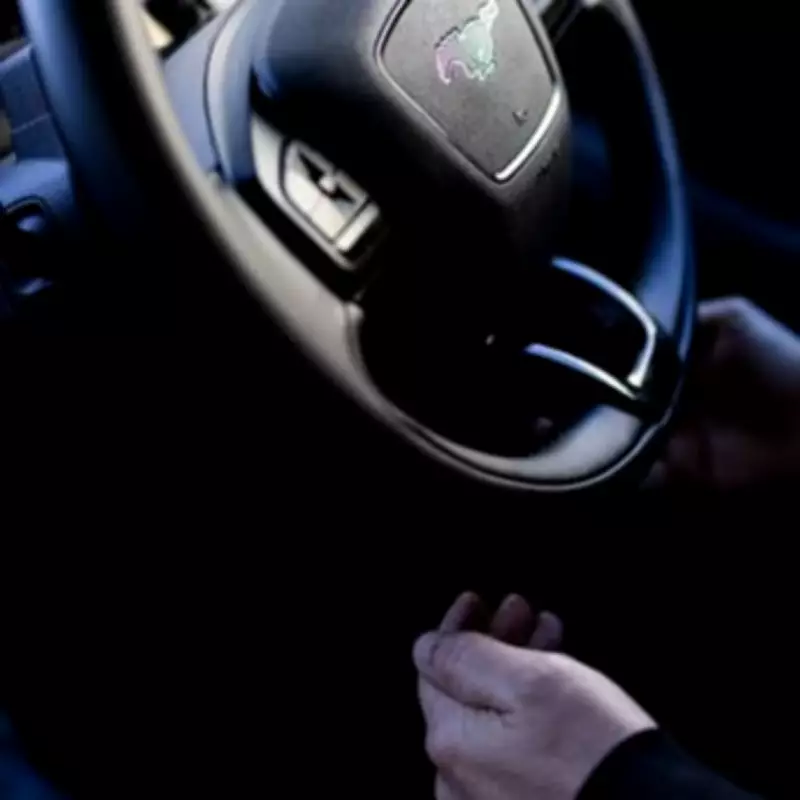
Experts from GEM Motoring Assist have warned that medicines used for hay fever can cause drowsiness and affect concentration. Some common hay fever medications trigger drowsiness, with the NHS advising anyone taking them to avoid driving a car, riding a bike, or using tools or machinery.
James Luckhurst, road safety adviser at GEM, said: "GEM is keen to ensure that drivers affected by hay fever understand that some remedies can affect their ability to drive safely. They could cause tiredness, dizziness or grogginess, as well as compromising a driver’s vision and reaction time. That's why we recommend you check with your GP or pharmacist before driving, and you read all warnings contained on the labels of the medicines you plan to take."

Older first-generation antihistamines are known for causing drowsiness because they enter the brain and interfere with the chemicals that help keep you alert. Even some newer non-drowsy antihistamines can still make you sleepy, especially at higher doses or when combined with alcohol or other medicines.
If it says the medicine may cause drowsiness or tells you not to drive or use machines, you must not drive until you are sure you are unaffected. Drug-driving laws apply to medicines as well as illegal drugs, so if your driving is impaired and you are involved in a collision, you could face prosecution - and licences being revoked.
Edmund King, AA president, said: "We often take our health and driving for granted. If a driver has a heavy cold or flu then their reaction times and concentration behind the wheel can be affected. People will still need to drive when they are unwell but they should be aware of the added dangers and adapt their driving accordingly."
Greg Wilson, founder of car insurance experts Quotezone.co.uk, has previously warned individuals on strong medications could be at risk as motorists could have their driving licences taken away - from opioid painkillers to tranquillisers, and certain antidepressants too. Greg said: "If you are on strong medications, it is likely that you will be recommended to avoid driving. Opioid painkillers, tranquillisers, and certain antidepressants are examples of medicines that can affect driving ability – as well as those that cause drowsiness or say ‘do not operate heavy machinery’."