New Study Reveals Short Bursts of Activity Offer Major Health Benefits
January often brings a surge of motivation to improve fitness, but as spring arrives, daily responsibilities can derail those ambitious gym plans. However, groundbreaking research suggests that rigid workout routines may not be essential for achieving significant health gains. Instead, brief episodes of vigorous physical activity—such as briskly climbing stairs or dashing for the bus—can substantially enhance fitness and overall wellbeing.
Research Findings on Intense Activity and Health Risks
A comprehensive study conducted by researchers in China, analyzing data from 96,408 participants in the UK Biobank study, has shed light on the profound impact of short, intense exercise. Over a seven-year period, the study compared activity levels against the likelihood of mortality and the development of eight serious health conditions, including heart disease, type 2 diabetes, liver disease, and dementia.
The findings, published in the prestigious European Heart Journal, revealed that individuals who engaged in more vigorous physical activity faced a markedly reduced risk across all conditions. Notably, their likelihood of developing dementia was 63% lower compared to those who avoided strenuous activity entirely. The researchers emphasized that these benefits persisted even when the duration of intense exercise was relatively brief, challenging the notion that only prolonged workouts are effective.

Understanding the Concept of 'Exercise Snacking'
This approach to fitness, commonly referred to as 'exercise snacking,' involves integrating short bursts of activity into daily life rather than relying solely on longer, structured workouts. Camilla Foster consulted with fitness professionals to explore how this method can be practically implemented.
Monty Simmons, a London-based personal trainer and founder of Move with Monty, explains, "The idea is that you can break up your day with little snacks of activity, rather than just a 'main meal' (main workout), to keep your body limber, stop it from getting stiff, and to get rid of any excess energy. Essentially, you take yourself away from your desk and move for five or 10 minutes."
Darren Sealy, coach and co-founder of Flow State Fit Club, concurs, describing it as a 'mini workout.' "It's basically a mini workout that will raise your heart rate and boost your cardio and metabolic conditioning. The effects of these short bursts of activity, which are usually no more than five to ten minutes at a time, can really compound throughout the week if you do them regularly."
Key Benefits of Incorporating Exercise Snacks
Simmons highlights several advantages of this fitness strategy. "In terms of physical benefits, exercise snacking is good for reducing feelings of stiffness and pain. Depending on the exercises you choose, it can also counteract slouching at your desk and help improve your posture. It's great if you can get a bit of cardio in there to elevate your heart rate and introduce heart rate variability throughout the day. Additionally, exercise snacking can increase your daily calorie burn, as the extra activity accumulates significantly over the week."
Practical Tips for Integrating Exercise Snacking into Daily Life
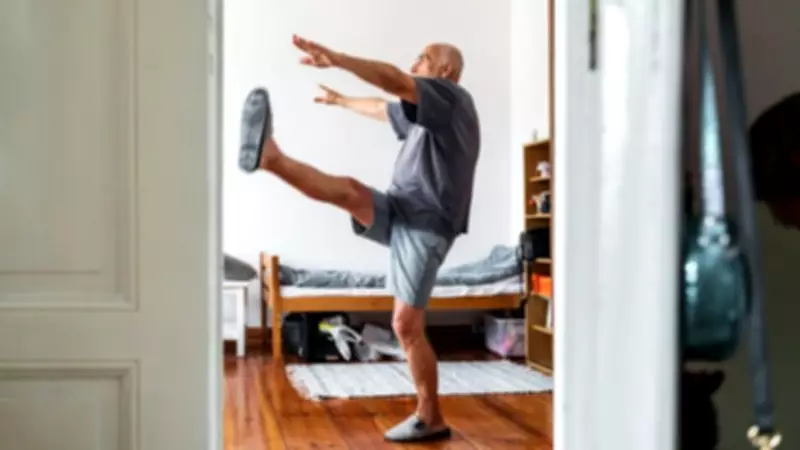
For those working from home, Simmons suggests a straightforward approach. "You can pull yourself away from your desk, go into a different room, set a five or ten-minute timer, and pick three or four exercises to complete within that timeframe."
In office settings, where exercising might feel conspicuous, he recommends alternatives. "If you're at work and worried that exercising looks odd, you can always grab a coffee, go for a walk, and maybe stretch your thighs or perform more subtle exercises instead."
Sealy emphasizes the importance of consistency through habit formation. "If you do a short burst of activity at the same time every day, you're building a habit in your brain. For example, knowing you'll do your five-minute exercise snack each morning helps establish a reliable routine."
Recommended Exercises for Daily Movement Snacking
Simmons outlines three primary categories of movement to choose from for effective exercise snacking:

- Stretching: "This helps reduce stiffness and increase blood flow in your body," says Simmons, noting it's his personal favourite.
- Cardio: Options include taking the stairs, getting off the bus early, walking fast, doing star jumps, jogging on the spot, or going for a brief jog around the block.
- Strength: Incorporate exercises like front lunges, push-ups, or sit-ups. Simmons advises, "You could pick three or four of those, and even mix stretching, cardio, and strength exercises together for variety."
This research underscores that fitness doesn't require lengthy gym sessions; integrating short, intense activities into daily routines can yield substantial health benefits, making it an accessible and sustainable approach for busy individuals.