Open Water Swimming: Embrace Nature Safely
Diving into nature has become immensely popular, with many people seeking the wonderful health and well-being advantages it provides. As temperatures climb once again, the idea of a cool dip in your local waterway becomes a tempting proposition. Swimmers frequently report that regular dips in chilly waters can dramatically improve fitness levels, boost metabolism, and soothe aching muscles or joints. Many find that these outdoor activities help them manage everyday stress while building strong bonds within a supportive community.
However, swimming in open water poses far greater dangers than swimming in a supervised indoor pool, warns the Royal Life Saving Society UK. During the recent heatwave, 19 people died after getting into trouble in open water. In response, the Mirror launched its 'Save Lives for Sam' campaign, urging the Government to increase awareness of open water dangers ahead of the summer holidays. If you're planning an outdoor swim, following a few simple rules can help you enjoy all that open water offers while staying safe.
Risk and Reward
Whether you are an experienced outdoor swimmer or transitioning from indoor pools, minimising risks is crucial. Always research your chosen location thoroughly and identify safe entry and exit points before stepping into the water. Take time to examine ground conditions, checking whether banks are rocky, slippery, or dangerously steep. Remote coastal areas, rivers, and lochs often feature hidden drop-offs or severely limited places to get back out.
Your Swimming Plan
Avoid swimming alone and always inform your family of your plans. It is recommended to choose lifeguarded beaches or accredited venues, particularly if you lack extensive experience. Helpful groups like Beyond Swim can assist you in finding accredited venues supported by leading national sports organisations. If you are active in Ireland, contacting Swim Ireland will provide excellent local guidance and structured programmes. Once you arrive at a venue, always read warning signs and check for valid public liability insurance.
Selecting the Right Gear
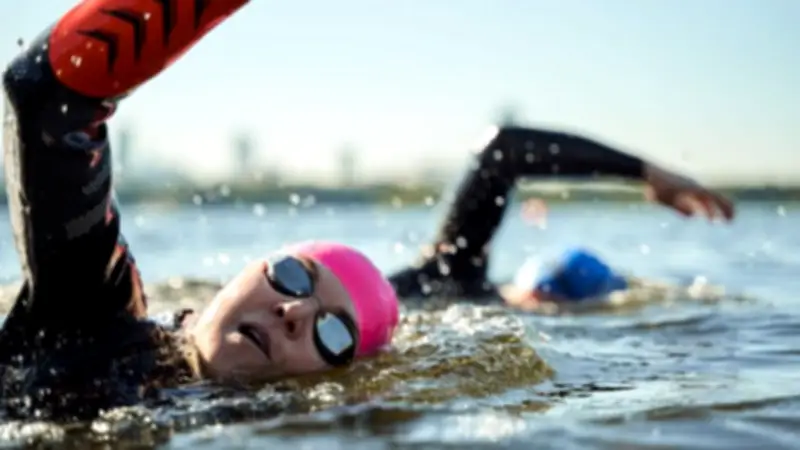
Bringing along the right equipment can be a literal lifesaver during outdoor aquatic activities. Anyone spending time near the water's edge or participating in water sports should wear a reliable buoyancy aid. When visiting managed locations, strictly follow their specific rules regarding mandatory safety gear. These regulations often require high-visibility swimming hats, tow floats, or specialised insulated wetsuits. Investing in a well-fitting wetsuit is highly recommended because it helps retain body heat and provides natural buoyancy. Suits designed specifically for swimming offer the ideal combination of flexibility, warmth, and floating support in cooler conditions.
A brightly coloured swimming hat in fluorescent yellow, green, or orange makes you highly visible to others. These silicone or latex caps also help retain vital body heat, making your swim more comfortable. Utilising a brightly coloured tow float ensures that boats and other water users can spot you easily. Additional helpful items include safety whistles, lights, and protective water shoes for navigating rough, rocky terrain. Wearing goggles protects your eyes from harmful UV rays, while earplugs can prevent painful infections or dizziness.
When swimming without a wetsuit, remember that minor weather changes can drastically alter how long you can safely stay immersed. Cold conditions can quickly impair your judgment, making it vital to stay well within your personal limits.
The Buddy System
Swimming with a companion or joining a local club is far safer and much more enjoyable than going alone. Group members can share valuable local knowledge and provide vital assistance if an emergency arises. It is ideal if at least one group member possesses basic first-aid skills focused on open-water incidents. You should either carry a small waterproof medical kit or swim at professionally managed venues.
Understanding Your Boundaries
Gradually adapting to colder conditions is an essential part of keeping your outdoor swimming experiences safe. A structured two-week preparation plan can help minimise the physical shock of sudden cold immersion. Beginning your journey under the direct supervision of qualified lifeguards or experienced groups is always recommended. Finding the right location is key, as deep waters can feature unexpectedly strong undercurrents. Always swim parallel to the shoreline and stay at a depth where you can easily stand upright. Keeping away from deep areas ensures you avoid the coldest patches of water.
Float to Live
Always consider how far away you are from emergency services and how long help might take to arrive. If you ever find yourself struggling or feeling overwhelmed, remember the phrase 'Float to Live'. Resist your natural urge to thrash around; instead, flip onto your back, lean back, and control your breathing. Once you are calm, you can start focusing on a safe way to get out of the water. Familiarise yourself with local rescue equipment and public signage before you begin swimming. You can minimise your risk of illness by covering all minor cuts with waterproof plasters.
Know Your Body
Paying close attention to how your body responds to low temperatures is vital for safety. Common warning signs include shivering, numbness, stiff limbs, and a noticeable slowing of your movements. Disorientation, blue skin, extreme fatigue, and a clenched jaw indicate you must exit the water immediately. Limiting your immersion time to under 10 minutes when wearing a standard costume is advisable. Be aware of the afterdrop, which causes your core body temperature to fall further after exiting. To combat this effect, dry yourself quickly and change into windproof garments and insulated headgear right away. If a person develops hypothermia, they might paradoxically start to feel warm while still in the cold water. This is a warning sign that requires an immediate call for emergency assistance.
Assisting Others in Danger
Outdoor swimming communities always look out for one another. If you see someone struggling, shout words of reassurance and remind them to float on their back. Call emergency services immediately, requesting the Fire Service for inland waters or the Coastguard for coastal areas. Use nearby rescue equipment or extend your reach with a branch or a piece of clothing. You can also throw buoyant objects, such as plastic containers or balls, to help the person stay afloat. Keep your eyes fixed on the swimmer at all times and never enter the dangerous water yourself.