Liverpool leaders at the UK Real Estate Investment & Infrastructure Forum (UKREiiF) in Leeds have argued that the city's success demonstrates how culture can drive regeneration, but only if cultural leaders are involved from the very beginning and not treated as afterthoughts.
The North West was strongly represented at UKREiiF this year, with Manchester again occupying the landmark Canary building on Leeds Dock alongside Opportunity London, while Cumbria ran a prominent pavilion near one of the event's main entrances.
At the Liverpool pavilion, guests and delegates including metro mayor Steve Rotheram discussed investment and regeneration over americanos and lattes from Liverpool's own Bean Coffee. Most delegations had their own pin badges, including a Welsh dragon for Wales – Liverpool, of course, offered mini golden Liver Bird badges.

Just before lunchtime, the pavilion hosted a discussion on "place-based" regeneration – how culture can help drive economic growth. Patrick Nolan, chair of the new Imagine Liverpool regeneration board, began by highlighting two great examples of regeneration and culture coming together in Liverpool.
One, he said, was Everton's new stadium on the Liverpool waterfront. "I'm a Red," he said, "but I have to admit the new Hill Dickinson Stadium is just a terrific development." He added that "it needed someone to take that move and build something really impressive" on that stretch of waterfront, and said the development would have an uplifting effect on North Liverpool and the surrounding area.
He also expressed excitement about the plans for a film and television production hub at the former Littlewoods complex in Edge Lane. The project has been long delayed, but Mr Nolan said: "We are in advanced stages on getting the finances for that."
Kate Honey, director of social impact at Liverpool ONE owner Landsec, said her business aimed to consider cultural offerings whenever it built or took on a development. She said Landsec was already thinking about how it could work with Tate Liverpool when it reopens "to create a destination around arts and culture" at Liverpool ONE for visitors coming to and from the Albert Dock gallery.
Later, the panel discussed the Taylor Town art installation, an art trail created across Liverpool ONE and the Albert Dock for the thousands of fans who came to the city for Taylor Swift's Eras concerts. That was led by social enterprise Make CIC, commissioned by Culture Liverpool, which worked with local artists and makers.
Laura Dyer, deputy chief executive for places, engagement and libraries at Arts Council England, encouraged developers to engage with local cultural venues and organisations, adding: "I'd reflect on the way culture can also help regenerate communities and generate that sense of place and belonging."
Mr Nolan later talked about the power of the Liverpool brand and how the city region must use it to encourage investment. The city region attracts many tourists and short-term visitors, but "we need to make it a place where occupiers and investors want to come and build their careers and build their lives."
He said Liverpool's brand remained strong globally, noting that as he travelled around the world at HSBC, "people never had a bad word to say about Liverpool." But in the UK, there is still work to do. "Down south it's not quite as rosy as that," he said. "We still have quite a few people with prejudiced historical views of the city. We're changing that."
He said the Imagine Liverpool board had been working with international investors and stressed: "What's been critical is getting the narrative of Liverpool right." That means talking about the wide range of Liverpool success stories, from traditional industries such as automotive to modern growing sectors such as gaming. He said: "We can't be all things to all people… we have to focus on what we do best."
Ms Dyer from the Arts Council later spoke about how best to embed culture in regeneration schemes. She said the key for developers was to get cultural organisations in early, not just as a token gesture late in the process. "The best impact we see is when culture is at the table in those conversations from the very beginning," she said.

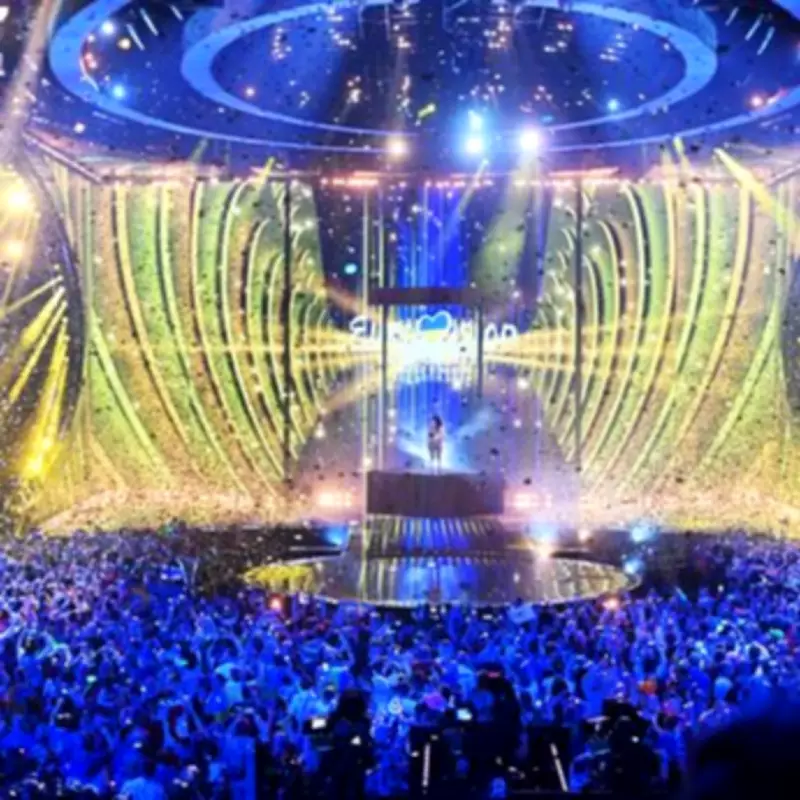
She said Liverpool had seen very effective examples of co-operation between the public, private and cultural sectors, adding: "You see culture baked in." The huge success of the city's Eurovision hosting in 2023 was a prime example.
Ms Honey from Landsec later said community and cultural engagement was vital for all regeneration schemes. "If you get it right you're creating a place that ultimately drives economic value," she said.