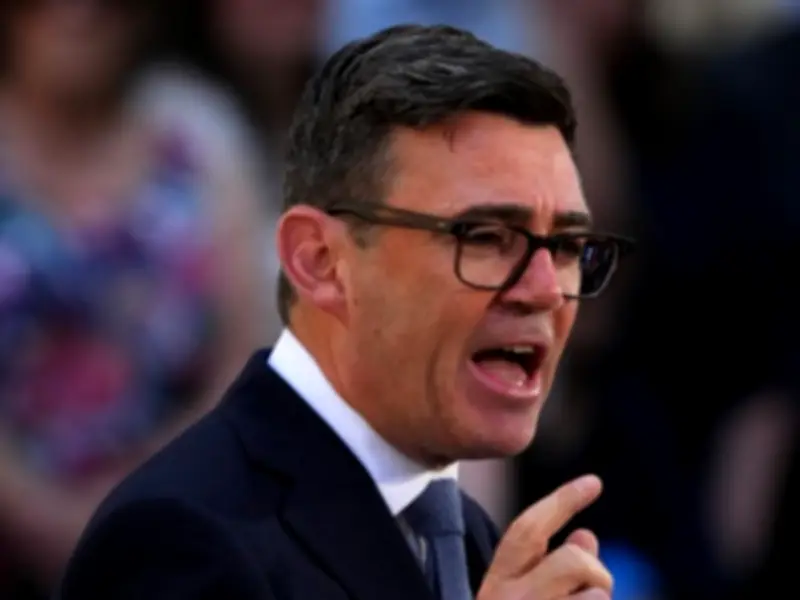
Prime Minister Andy Burnham has clarified that the future of the £12,570 personal income tax allowance will be addressed in the autumn Budget, disappointing those hoping for an immediate increase to ease the burden on low-income households.
Background on the Personal Allowance Freeze
The personal allowance – the amount an individual can earn before paying income tax – has remained frozen at £12,570 for several years. This freeze has effectively dragged more low earners and pensioners into the tax net as their incomes have risen with inflation.
During his leadership campaign, Burnham suggested he was open to raising the threshold to help families keep more of their earnings. However, after taking office, he has tempered expectations, stating that any decision will be made as part of the wider fiscal event scheduled for October 2026.

Burnham's Statement to Reporters
Speaking to journalists, Burnham said: “I want to answer questions honestly in this job, as I said before. I think that’s all about trust in politics and doing politics differently, and I’m determined to keep working in that way.”
He acknowledged that the issue was raised frequently but emphasised: “I then went on to say, ‘but we’ll have to look at it at the Budget alongside everything else’. So no commitment, no unfunded promise. There is no commitment at this point to change, but we will look at that at the Budget.”
Impact on Low Earners and Pensioners
The freeze has been particularly hard on low-income workers and pensioners. Labour has confirmed that pensioners whose only income is the state pension will not pay income tax, but for others, the threshold remains a key issue.
According to recent estimates, around 1.5 million low earners have been pulled into paying income tax due to the freeze, with an additional 1 million facing higher tax bills. Campaign groups have called for an immediate increase to the personal allowance to provide relief amid the cost-of-living crisis.
Budget Timing and Expectations
The autumn Budget is expected to be delivered in October, though exact dates have not been confirmed. Burnham’s decision to defer any changes means households will have to wait several more months for clarity.
The Prime Minister’s cautious approach reflects the challenging fiscal environment, with the government balancing demands for tax cuts against the need to fund public services and reduce debt.
Political Reaction
Opposition parties have criticised the delay, accusing Burnham of breaking campaign promises. Conservative shadow chancellor Jeremy Hunt said: “Working families cannot afford to wait until October for answers. The Prime Minister should act now to protect low earners from being taxed further.”
However, some within Labour argue that any tax changes must be fully costed and sustainable, warning against unfunded promises that could undermine economic stability.
As the autumn approach, all eyes will be on the Budget to see whether the personal allowance is finally raised, offering relief to millions of low-income households across the UK.