A man whose body was discovered in a Birmingham canal had sustained fractures to his face, ribs, and a bone in his neck, as well as brain damage, a murder trial jury heard today.
Prosecutors allege that CCTV and other evidence prove Cain Watson killed Darren Round, who, the court was told, was likely alive when he entered the water in the early hours of February 15, 2020.
Watson, 33, of Dornie Drive, Kings Norton, has pleaded not guilty to murder and an alternative count of manslaughter, prosecutor Ben Williams KC told Birmingham Crown Court on Tuesday, June 2.

Opening the Crown's case, Mr Williams said CCTV captured the sound of deep-voiced shouting within minutes of Watson going onto the canal path. Mr Williams told jurors that Mr Round, 48, was found in the water at around 8:30am on February 15 by members of the public using a canalside path in Kings Norton.
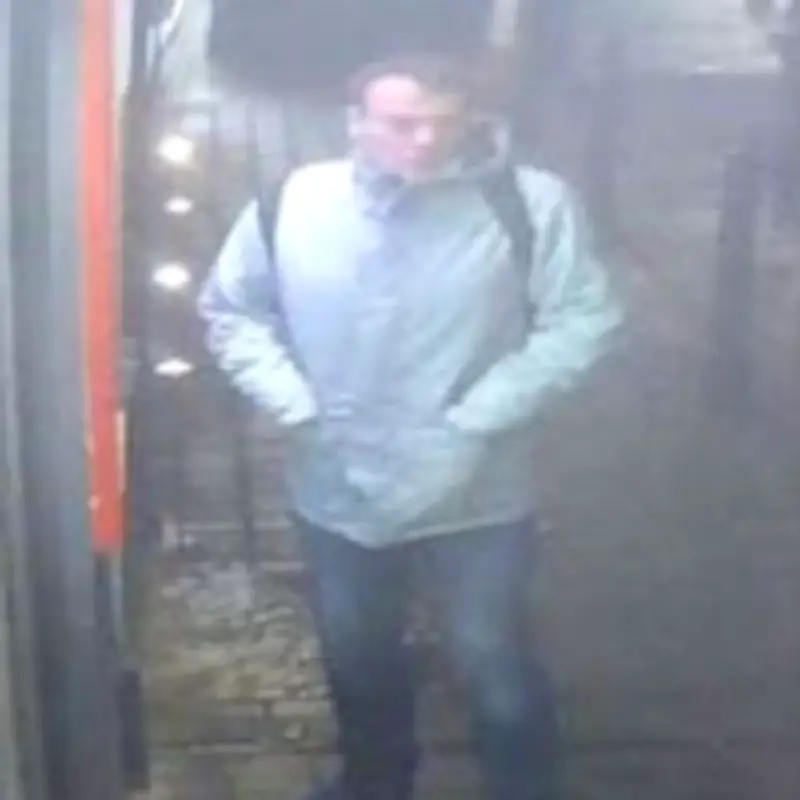
The prosecutor stated: "The police conducted extensive inquiries and gathered CCTV from numerous camera systems in the surrounding area. Through painstaking study of hours of footage, they were able to piece together the key movements of Darren Round."
Mr Round and Watson were walking along the path in opposite directions, the court heard. A review of CCTV footage from each access point to the canal "found no sign that anyone else came or went from it during the relevant period."
Mr Williams told the jury: "As you will have gathered, Darren Round was not seen again until his body was found hours later, floating in the water. We will come to details of the injuries which Mr Round sustained but, in short, they included facial fractures, two rib fractures, a fracture of a bone in his neck, and significant damage to his brain. He was most likely still alive when he went into the water, though he may well have lost consciousness at or about the time he fell in."
The victim died from a combination of immersion and blunt force trauma, Mr Williams said. He told the court: "We, the prosecution, say Mr Round had been subjected to a serious assault involving a number of heavy blows to his face and chest, and his neck either being struck hard or more likely placed under severe, sustained pressure."
Watson was interviewed by police in June 2021 after being identified by two people, including a police officer, following a media appeal in March of the same year. He told police he knew nothing about the incident in which Mr Round died, disputed that the man captured on CCTV was him, and claimed he was "probably in pigeon park" – the grounds of Birmingham's St Philip's Cathedral – at the relevant time.
In May 2024, Watson was interviewed again and denied having met Mr Round, the court heard. Further forensic work concluded that the defendant's DNA was present on the inside surface of Mr Round's left front jacket pocket, Mr Williams said.
He told jurors it was understood Watson now accepted he "had an altercation with Mr Round on the canal path and struck him repeatedly." Mr Williams said: "We understand it will be proposed that he – Mr Watson – was attacked by Mr Round first and he only used reasonable force to defend himself. There may also be a dispute about whether he caused all of Mr Round's injuries or, indeed, his death. And it may be claimed that Mr Round not only was conscious but shouting aggressively when he, the defendant, fled the scene."
The trial continues.