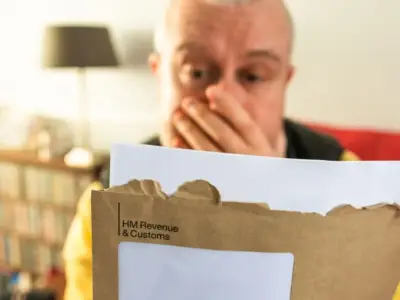
The Department for Work and Pensions has faced criticism after instructing an employer to deduct a nonexistent benefit debt from a woman's salary. The Guardian reported that the DWP pursued the employer of a 44-year-old carer for an overpayment that had been dismissed by a judge in 2022.
The woman, who cares for her mother, expressed her distress, stating: "As a carer, you are already holding together someone else's life, health, safety, paperwork and dignity. When the department that is supposed to support vulnerable people instead creates errors, loses outcomes, blocks practical routes to submit evidence and pushes enforcement on to your employer, it is frightening and exhausting."
She added: "It also makes you feel invisible. The DWP treated this as if it were a small administrative debt. For me, it was not just £163.73. It was my job, my professional reputation, my ability to care for my mother, and my confidence that public bodies can keep accurate records about vulnerable households."
The woman emphasized that the issue is not about the money but about how a legal decision can disappear within a system that still has the power to contact employers, damage reputations, and continue enforcement. The tribunal had ruled that she had been paid exactly what she was entitled to and nothing more.
Under DWP rules, claimants can report an overpayment by signing into their Universal Credit account or calling the helpline. If they receive a letter about an overpayment and believe it is a mistake, they can request a mandatory reconsideration, usually within one month of receiving the letter.