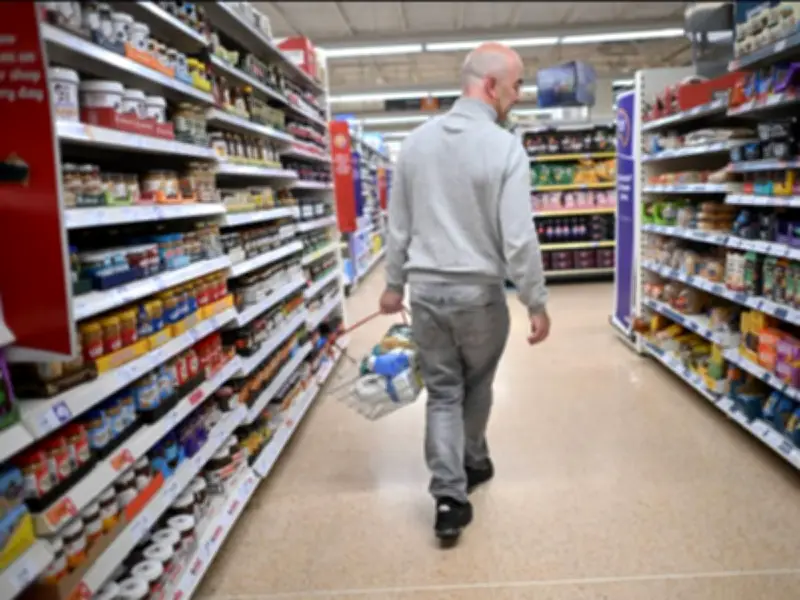
Facewatch, a facial recognition system used by over 100 businesses including Sainsbury's, B&M, and Spar, is set to launch a UK-first feature that will "alert police instantly when the most serious offenders trigger a live facial recognition match," sparking alarm among shoppers and privacy advocates.
How the System Works
The technology scans shoppers' faces and compares them against a watchlist of known offenders. When a match occurs, police are notified immediately. Facewatch CEO Nick Fisher described it as a "unique technical development" set to launch in autumn 2026.
Privacy Concerns Raised
Charlie Whelton, policy and campaigns officer at Liberty, expressed concern about this "untested, opaque development" and the lack of governance around facial recognition technology. "It's not against the law to walk into a shop even if you've committed crimes in the past," he said. "The idea of calling the police on somebody who hasn't committed a crime, but there's a concern they might, is really upending the way we do things. And of course, it's not infallible. These systems do make mistakes, and it's very hard to argue with that when it happens to you."

Escalation of Surveillance
Sarah Lasoye, pre-crime programme manager at Open Rights Group, warned the technology is "entrenching a climate of surveillance across public life." She added: "Fundamentally, it's an infringement of data and privacy rights. People's faces being scanned without consent and being added to lists is worrying enough, but the speed which Facewatch technology now makes it possible for someone to encounter the police force in the middle of their daily shop is a really dangerous escalation."
Retailer Defense
Fisher defended the system, stating: "No single organisation will solve retail crime on its own. Government, policing, retailers and businesses all have a role to play in tackling the small number of prolific repeat offenders responsible for a disproportionate amount of offending and the harm it causes to shop workers, customers and our high streets. The work we are doing sits alongside that wider national effort. It is not about alerting police every time someone enters a shop, it is about exploring how technology can help support a coordinated response to the highest-risk and most prolific offenders. This is about the people who commit dozens and, in some cases, hundreds of offences, not the millions of people who simply want to do their shopping. If technology can help protect retail workers, prevent further crime and support policing, we believe it has a responsible role to play."