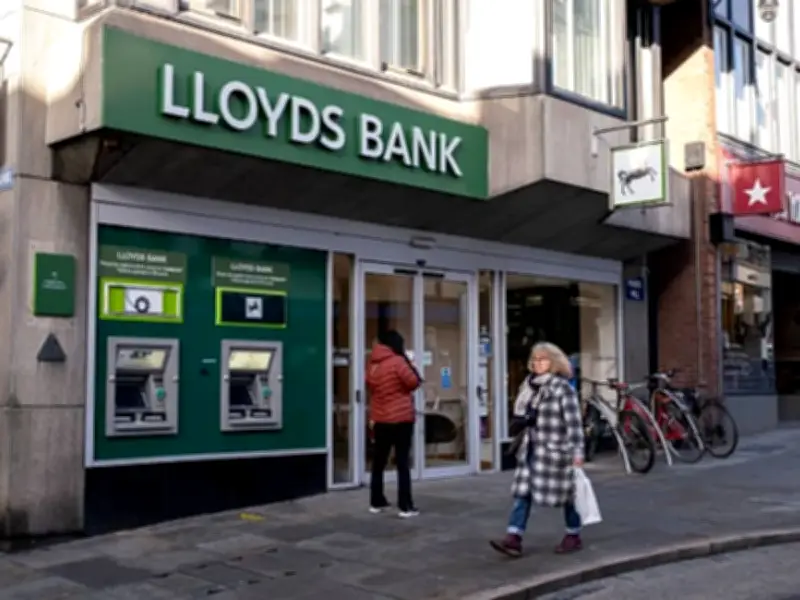
Lloyds Bank is facing criticism after a parish church treasurer claimed the bank is holding on to nearly £5,500 that the congregation urgently needs. The customer, who wrote to the Guardian newspaper, said the money cannot be accessed to pay for essential repairs and an electricity bill.
The treasurer, acting on behalf of a church with a congregation of 10 in a village of 60 houses, explained that Lloyds informed them last November that the church account would be closed and that a new business account should be opened instead. However, the process could only be completed online, and a fault with the bank's system prevented both the treasurer and local branch staff from doing so.
Account closure and transfer delays
At the suggestion of branch staff, the treasurer opened a new account with a different bank in early March. Since then, repeated attempts to get Lloyds to transfer the balance from the closed account have been unsuccessful. The customer said they were repeatedly told to visit the local branch and that the money would arrive within weeks.

At one point, the bank reportedly told the treasurer that it had lost the identity verification documents and had therefore placed the case at the bottom of the pile. The treasurer said: "We are owed nearly £5,500, which, for a congregation of 10 in a village of 60 houses, is a significant sum. We have had to borrow from parishioners to pay for essential repairs and to settle the electricity bill."
Bank's response and compensation
After the national newspaper became involved, Lloyds, which has branches in Birmingham, offered £400 in goodwill plus £96 in lost interest. A Lloyds spokesperson said: "We're sorry the customer had such a difficult experience. We should have handled things better."
On its website, the bank outlines its complaints process, stating: "We're here to help. Sometimes things can go wrong. We encourage customers to tell us about it so we can try to put it right." The bank also notes that customers can get in touch through several channels if they wish to speak to the bank.
The case highlights ongoing concerns about account closure procedures and the accessibility of funds for community organisations, particularly when online systems fail and branch support is limited.