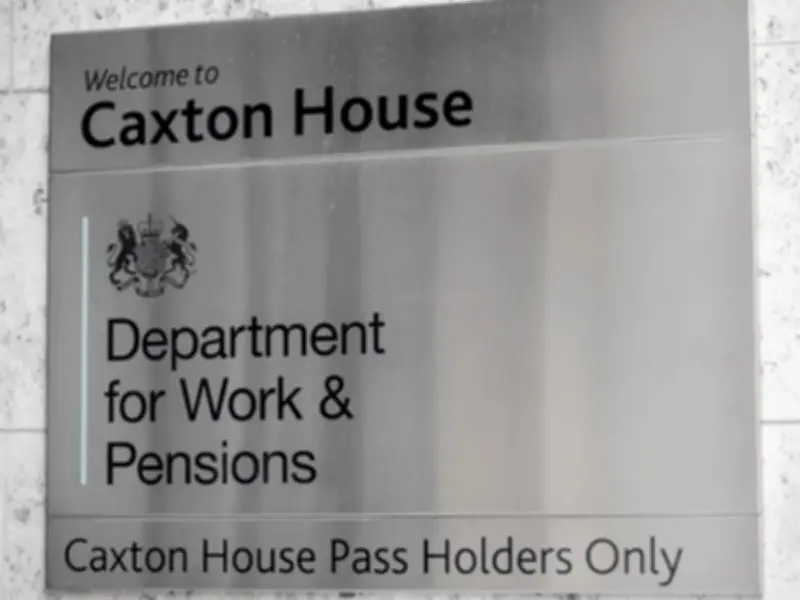
The Department for Work and Pensions (DWP) will gain controversial new powers from October to inspect the bank accounts of state pensioners and directly withdraw money to recover benefit debts. The measures will apply to three benefits — Pension Credit, Universal Credit and Employment and Support Allowance (ESA) — and are part of a wider crackdown on fraud and overpayments.
Under the rules, banks will be forced to share detailed information about account holders with the DWP, including savings and other income. Officials will also be able to take money directly from accounts where they suspect fraud or wrongful payments, without prior consent from the claimant.
Three benefits targeted by new DWP checks
The new powers are aimed at low-income over-65s who claim Pension Credit, as well as working-age claimants on Universal Credit and ESA. Pension Credit is a means-tested benefit designed to top up the incomes of pensioners on low earnings, but it is massively underclaimed — with close to a million eligible older people not currently receiving it.

The DWP says the powers will help it verify whether claimants meet the eligibility criteria, checking details such as savings, investments and other sources of income. It also claims the measures will allow errors to be flagged up much sooner, preventing small mistakes from turning into large debts.
How the new bank account powers will work
From October, DWP officials will be able to review bank account data supplied by financial institutions and compare it against what claimants have declared. Where discrepancies are found, the department can then initiate direct withdrawals to recover any money owed.
This marks a significant extension of the DWP's enforcement toolkit. Previously, the department said it had limited options to pursue individuals who were no longer claiming benefits or in PAYE employment, meaning some who could afford to repay simply chose not to. In an update, officials said: “Previously, the DWP had few options to pursue people who were no longer claiming benefits or in PAYE employment, meaning some who could afford to repay were simply choosing not to. That loophole is now closed.”
Why the DWP says the powers are necessary
The government has argued that the measures are essential to tackle the astronomical sums lost to benefit fraud every year. Ministers say hardworking taxpayers expect the system to chase those who deliberately dodge their debts, and the new powers are designed to do exactly that.
Work and Pensions Minister for Transformation Andrew Western said: “Hardworking taxpayers deserve a system that pursues those who deliberately dodge their debts, and that is exactly what these new powers deliver. To anyone with an outstanding debt - our door is open and DWP will always work with you to find an affordable way to repay. But for those who can pay and won’t - we’re going further than ever before to claw back cash and crack down on fraud.”
Concerns over Pension Credit underclaiming
The targeting of Pension Credit has raised eyebrows because the benefit is already drastically underused. According to official estimates, nearly one million eligible pensioners do not claim it, meaning the government would actually pay out more if everyone entitled to the support took it up. Critics argue that focusing enforcement on a benefit that is already underclaimed could discourage vulnerable older people from applying.
However, the DWP insists the checks are not aimed at genuine claimants but at those who deliberately hide assets or income to obtain benefits they do not qualify for. The department emphasises that anyone with an outstanding debt should come forward voluntarily before the direct withdrawal powers begin in October.
What pensioners should do now
The DWP is urging anyone who owes benefit money to contact them as soon as possible to arrange a repayment plan. Officials say they will always work with individuals to find an affordable way to repay, but warn that those who refuse to engage will face tougher action.

From October, the new powers will be rolled out across the three benefits, initially targeting cases where there is clear evidence of fraud or wrongful payment. The government has said further changes could follow if the crackdown proves successful in recovering debts and reducing losses to the public purse.