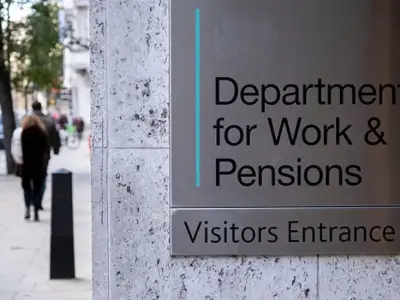
The State Pension age in the United Kingdom is set to rise from 66 to 67, starting next year, with the full increase affecting all men and women by 2028. This change, legislated since 2014, marks a significant shift in the official retirement age under the Department for Work and Pensions (DWP).
Key Changes to State Pension Age
The DWP shake-up, originally outlined in the Pensions Act of 2014, brought forward the increase from 66 to 67 by eight years. Under the new rules, individuals born between March 6, 1961, and April 5, 1977, will now qualify for the State Pension once they reach age 67, rather than on a specific date as previously planned.
Future Increases on the Horizon
Another increase is already scheduled, raising the State Pension age from 67 to 68 between 2044 and 2046, as per the Pensions Act 2007. The Pensions Act 2014 mandates a review of the State Pension age at least every five years, ensuring that individuals can spend a certain portion of their adult life receiving the pension.

A review of the proposed increase to 68 is due before the end of this decade. Originally planned by the previous Conservative government to take place two years after the general election—which would have been 2026—this review will consider life expectancy and other relevant factors.
What This Means for Your Retirement Planning
It is vital to be aware of these upcoming changes, especially if you have already set up a retirement plan. The State Pension age review will inform any further adjustments, but any proposals must be approved by Parliament before becoming law.
Stay informed about these developments to ensure your retirement plans align with the evolving State Pension landscape.