The long-running battle for compensation for millions of women born in the 1950s has reached a critical new phase. Campaigners are urging the government to act swiftly on a landmark recommendation that could see payouts ranging from £1,000 to £2,950.
Who Are the WASPI Women and What Happened?
Approximately 3.8 million women across the UK have been impacted by changes to the State Pension age enacted by the 1995 and 2011 Pension Acts. These laws were designed to equalise the retirement age for men and women, raising it from 60 to 66.
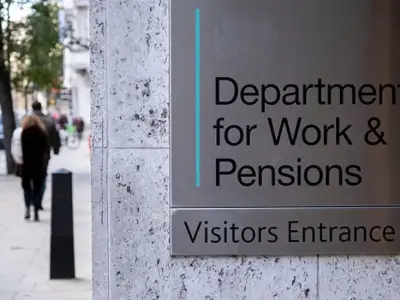
However, the Women Against State Pension Inequality (WASPI) campaign argues that the Department for Work and Pensions (DWP) failed to provide adequate, individual notice of these life-altering changes. Many women report receiving little to no warning, shattering their retirement plans and causing severe financial hardship.

Eligibility and the Fight for Fair Compensation
Eligibility for potential redress is tightly defined. You must have been born between 6th April 1950 and 5th April 1960 to be part of the affected cohort. This group faced an accelerated timeline for the increases, leaving minimal time for financial adjustment.
The Parliamentary and Health Service Ombudsman has investigated the maladministration and recommended compensation payouts. Crucially, WASPI insists that any payout must reflect the injustice suffered, not an individual's personal wealth or poverty.
Tragically, since the campaign launched in 2015, over 402,000 affected women have died without receiving any form of redress.
The Staggering Cost of Delay and What Happens Next
Campaigners estimate that the government's delay in resolving this issue has saved the Treasury more than £5.2 billion to date, a figure that grows with every passing day.
While the DWP previously rejected calls for compensation, the political landscape is shifting. Work and Pensions Secretary Pat McFadden is now considering "new evidence" and a fresh decision is expected by early March.
The fight continues, with campaigners maintaining immense pressure on ministers to finally deliver justice for the women who were left without a proper safety net in their planned retirement years.