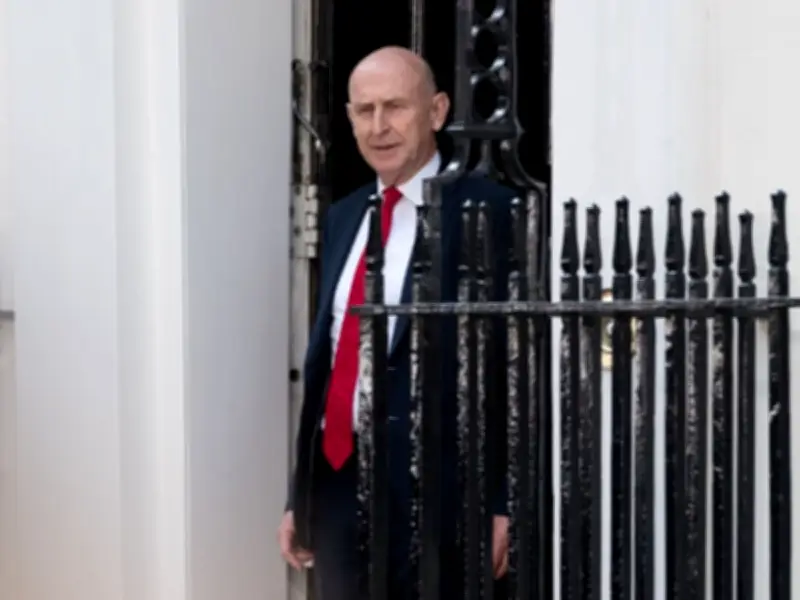
From 6 April 2027, most unused pension funds and pension death benefits will be brought within the value of a deceased person’s estate for Inheritance Tax (IHT) purposes. This change, initially announced under former Chancellor Rachel Reeves, is now being overseen by new Labour Chancellor John Healey. The shift comes as Prime Minister Andy Burnham, who replaced Sir Keir Starmer last month, has reshaped the Cabinet, including the appointment of Mr Healey to Number 11 Downing Street.
Technical Details Emerging from HMRC
Technical details are now emerging from HMRC, adding substance to the previously announced changes. Martin Haggart, technical development manager for pensions at Aegon UK, has addressed the new rules, warning that unused pensions will increase the responsibilities placed on personal representatives (PRs) from April 2027.
Issuing a checklist, Mr Haggart highlighted key considerations: "Is there a valid will in place? Are the named executors aware they have been appointed, clear on the new responsibilities applying from 6 April 2027 and willing to act?" He also asked whether it is appropriate to consider a specialist professional to perform the PR role, and whether all pensions and other assets are documented and clearly identifiable to PRs.

Checklist for Pension Holders and Executors
The checklist continues: "Have any pension savings held in multiple pension schemes been reviewed to assess their suitability to meet client needs and objectives? Has financial advice been sought on the pros and cons of any pension consolidation? Whether retaining multiple pensions or consolidating the benefits, are suitable death benefit nominations in place, regularly reviewed and updated?"
These questions are designed to help executors and beneficiaries prepare for the upcoming changes. The inclusion of pensions in the estate for IHT purposes means that estates exceeding the nil-rate band (currently £325,000) could face a 40% tax charge on the value of unused pensions, unless specific exemptions apply.
HMRC's Timetable for Guidance
HMRC has outlined a timeline for further communication. From autumn, the tax authority will share draft guidance with industry stakeholders. This coming winter into next spring, HMRC will publish communications activity to publicise upcoming changes to impacted groups. Then, from spring 2027, the taxman will publish final guidance and other supporting materials.
This phased approach aims to give individuals and professionals ample time to understand and adapt to the new rules. The changes are part of a broader effort to ensure that pensions are treated consistently with other assets for IHT purposes, closing what some have seen as a loophole.
Impact on Estates and Planning
For many, the inclusion of pensions in the estate will require a re-evaluation of inheritance tax planning. Pensions have long been a tax-efficient way to pass on wealth, often free from IHT. The new rules will change that, making it crucial for individuals to review their pension arrangements and death benefit nominations.
Personal representatives will face an increased administrative burden, as they will need to account for pension values in the estate. This may lead to delays in probate and additional costs, particularly for complex estates with multiple pension schemes.
Professional advice will become even more important. Financial advisers and legal professionals will need to stay abreast of the evolving guidance to help clients navigate the changes effectively. The industry has welcomed the clarity that HMRC's technical detail brings, but many are calling for further simplification.
What Individuals Should Do Now
In the meantime, individuals with pension savings should take proactive steps. Reviewing wills, ensuring executors are aware of their roles, and checking death benefit nominations are all critical actions. Consolidating pensions may simplify administration, but it is essential to consider the implications for IHT and other benefits.
The changes from April 2027 are significant, and early preparation is key. With HMRC's draft guidance expected this autumn, there will be opportunities to feed into the consultation process. For now, the message from experts like Martin Haggart is clear: start planning now to avoid surprises later.