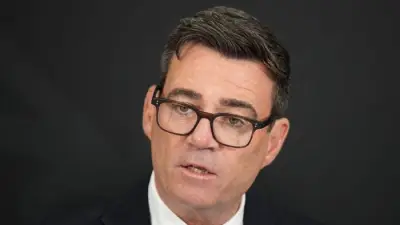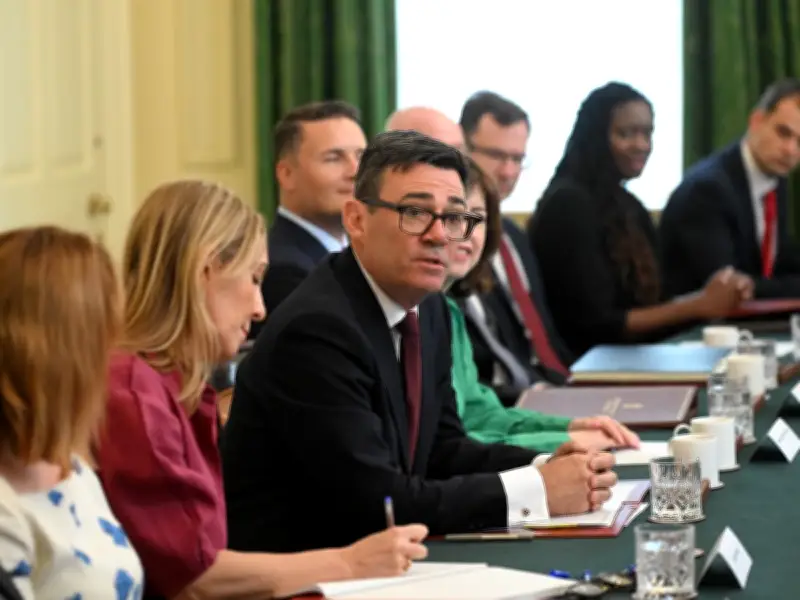
Andy Burnham and Chancellor John Healey have confirmed that the triple lock will remain in place, guaranteeing another bumper increase to the state pension for millions of over-65s in 2026/27. The confirmation ends months of speculation that the divisive policy could be scrapped amid growing concerns over its long-term cost to the nation.
Triple lock confirmed
The triple lock, originally introduced by the Conservatives, ensures that the state pension rises each year in line with whichever is highest out of inflation, wage growth, or 2.5%. This mechanism has been a cornerstone of UK pension policy, but it has also become a focal point for debate about fiscal sustainability.
Burnham, who has faced mounting pressure from economists and political opponents to abandon the policy, made it clear that Labour remains committed to the triple lock throughout the current Parliament. Healey, as Chancellor, backed the decision, signalling that the government sees the policy as essential for protecting pensioners' incomes.

How much will pensions rise?
Exactly how much the state pension will increase in 2026/27 will be determined later this year, following the usual assessment of official economic figures. However, a new study indicates that the full state pension could climb by more than £600 if last year's wage growth figures are repeated.
The full state pension, paid to everyone who has retired since 2016, currently stands at £12,548 per year. The basic state pension, which applies to those who retired before that date, is £9,615 per year. A £600 rise would represent a significant boost for pensioners, particularly at a time when living costs remain high.
Growing calls to scrap the triple lock
Despite the benefits for pensioners, calls are growing louder for the triple lock to be scrapped because of how much it costs the nation. The policy locks in annual increases, which means even if surging inflation results in a massive rise in one particular year, pensions will still go up again the following year. Critics argue this is unsustainable in the long term, especially as the UK's population ages and pressures on public finances intensify.
The influential Organisation for Economic Cooperation and Development (OECD) is the latest group to join the chorus of voices questioning the policy's future. Its analysts have pointed out that the triple lock is increasingly difficult to afford without significant tax rises or cuts elsewhere.
Mark Pemberthy, benefits consulting leader at Gallagher, commented: "Andy Burnham has declared he has a plan, but we may need to wait a while before we know exactly what that means for pensions." He added: "There are indications that social care funding will get an overdue review. This may be a catalyst to review the state pension triple lock - despite repeatedly backing Labour's commitment to retaining the policy, it is difficult to see how this is affordable in the long term while also improving funding for healthcare and social care for an ageing UK population."
Angeline Ong, senior investments analyst at IG, said: "The OECD has added its voice to a growing chorus questioning the long-term sustainability of the triple lock, but politics remains the biggest obstacle to reform."
What happens next
With the triple lock confirmed, attention now turns to the autumn, when the exact inflation and wage growth figures for the relevant period will be published. These will determine the precise percentage increase for 2026/27. Pensioners and financial advisers will be watching closely, as the outcome will shape retirement incomes for millions of people.
The confirmation by Burnham and Healey also raises questions about how the government intends to balance pension commitments with other spending priorities, particularly social care. As the OECD and others have pointed out, the current trajectory may not be sustainable, but for now, pensioners can look forward to another year of meaningful increases.
In the meantime, the political debate over the triple lock is unlikely to fade. With an ageing population and stretched public finances, the policy will remain a contentious issue not just in Westminster, but across the country.