Major Transformation Planned for Birmingham's Notorious 'Cesspit' Tunnel
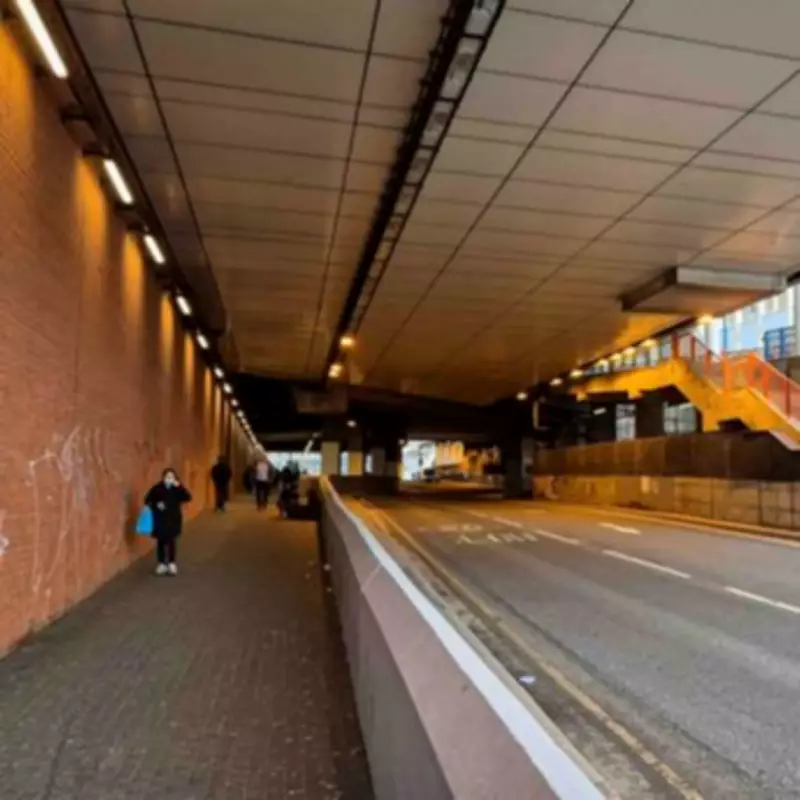
Birmingham City Council has unveiled comprehensive plans to revitalize the St Martin's Queensway tunnel, a critical pedestrian route between Birmingham New Street and Moor Street stations that has been described as a 'cesspit' due to persistent issues with drug litter, human waste, and anti-social behavior. The council acknowledges the walkway's current state is blighted by drug use, rough sleeping, and safety concerns, with residents expressing frustration about the dangerous atmosphere.
Detailed Improvement Measures Announced
The transformation project, scheduled to commence in early 2029, includes multiple significant upgrades designed to create a cleaner, safer, and more welcoming environment. Key measures will involve converting the tunnel into a shared road space accommodating buses, black cabs, and bicycles, alongside a wider and more open footpath that continues seamlessly through the passage. Enhanced lighting systems will be installed to improve visibility, while acoustic treatments will reduce noise pollution from vehicles. Additionally, newly tiled walls will feature graphical designs to enhance the aesthetic appeal of the space.
Council and Partnership Commitments
A spokesperson for Birmingham City Council confirmed the authority is working closely with Hammerson, the owner of the tunnel and adjacent Bullring and Grand Central properties, as well as with police forces to address immediate challenges on site. The council emphasized its dedication to fostering a cleaner, safer Birmingham through collaborative efforts with partners including the West Midlands Combined Authority (WMCA) and Network Rail. These partnerships aim to deliver lasting improvements to this vital connection route, which serves as the fastest link between two major railway stations.

Public Reaction and Ongoing Concerns
Following initial reports about the tunnel's condition, numerous readers contacted news outlets to express disappointment, with comments on social media platforms like TikTok highlighting fears such as 'I'd never walk through here on my own' and descriptions of the area as 'in need of desperate restoration.' While some residents expressed hope for quicker changes, others noted seeing litter pickers in the tunnel after the story's publication, indicating some immediate action. The council has recognized ongoing public concerns and pledged that the 2029 project will fundamentally address the root causes of anti-social behavior and environmental degradation.
The planned improvements are part of broader initiatives to enhance urban infrastructure and public safety in Birmingham's city center, ensuring that key transport corridors remain accessible and secure for all users.