South Bristol's Tallest Tower Approved Amid £1M Appeal Warning
Controversial plans for South Bristol's tallest ever building have been approved after councillors were warned they would lose an appeal, potentially costing city taxpayers £1 million. The city council's planning committee granted permission for the development on Wednesday evening following a marathon three-hour debate.
Development Details and Objections
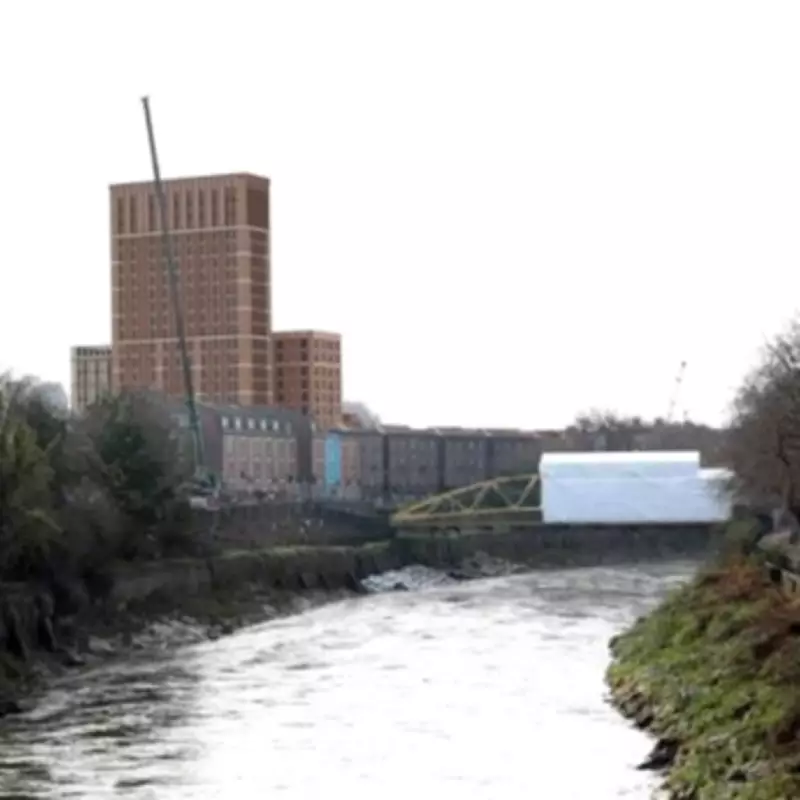
The scheme includes 434 flats, with one-fifth designated as 'affordable', and 400 student beds across four blocks. The centerpiece is a 23-storey tower located on a site south of Princess Street between Victoria Park and the New Cut. Despite receiving 468 objections from residents and local heritage and planning groups, the committee voted 6-3 in favour.
Among the objectors were Historic Buildings and Places, Avon Gardens Trust, Bristol Civic Society, the Conservation Advisory Panel, and multiple local community groups including Totterdown Residents Environmental and Social Action (TRESA) and the Victoria Park Action Group. Historic England expressed concerns about the impact on views of St Mary Redcliffe, though they did not formally object.

Financial Pressure and Democratic Concerns
The committee had initially vetoed the development in January over concerns about height, apartment numbers, and harm to views of important buildings. They asked planning officers to return with reasons for refusal. However, the updated report advised approval, warning that rejection would not withstand an appeal from developers Galliard Apsley.
Bristol City Council chief planning officer Simone Wilding estimated that costs awarded against the authority if they refused the plans would be around £750,000, plus their own defense costs, bringing the total to approximately £1 million. She stated there would be a high risk of costs being awarded against the council.
Several councillors expressed frustration with the process. Green councillor Ed Plowden argued the officer report failed to respect the committee's instruction to justify refusal, saying it appeared to sabotage their own decision. Former Bristol mayor George Ferguson, an architect and adviser to Historic England, called the development's late engagement exercise 'suspicious' and said the scheme 'fails dismally on design, environment, heritage, landscape, and social grounds'.
Conflicting Perspectives on Development
Committee chairman Rob Bryher expressed personal discomfort with the decision, stating he didn't like the building's height or design and found the process demoralising. Green councillor Serena Ralston said the committee felt 'under the cosh' with no choice but to approve, calling the process undemocratic.
However, supporters emphasized Bristol's housing crisis. Liberal Democrat councillor Andrew Varney argued that Bristol is 'not a museum piece' but a dynamic city that needs housing, noting there are 20,000 families on the housing waiting list. He questioned whether preserving views was more important than providing homes.
Conservative councillor Richard Eddy highlighted the project's benefits, including more than 800 homes and millions in developer contributions for transport improvements, public spaces, medical facilities, and employment space. Green councillor Patrick McAllister, while expressing dislike for the tower block, noted that 'homelessness is uglier than a tower block' and saw little alternative given the appeal risk.
Voting Outcome and Implications
The final vote saw Labour councillors Lisa Durston, Kye Dudd, and Louis Martin join councillors Eddy, Varney, and McAllister in favour. Green councillors Guy Poultney, Rob Bryher, and Serena Ralston voted against. The approval marks a significant moment in Bristol's development landscape, setting a precedent for tall buildings in South Bristol while highlighting tensions between housing needs, heritage preservation, and democratic planning processes.