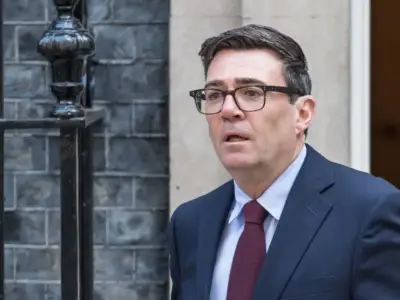
HMRC has confirmed that individuals can legally increase their tax-free Personal Allowance to £16,320, while Prime Minister Andy Burnham faces pressure to raise the standard threshold to £15,570. The standard tax-free Personal Allowance remains frozen at £12,570, but participation in an HMRC-approved scheme and submission of a self-assessment tax return can boost it.
The Rent-a-Room scheme allows individuals to earn up to £7,500 annually tax-free from letting out a room in their primary residence. If the income is shared with a partner, each can claim an extra £3,750 tax-free allowance, bringing the total to £16,320 per person.
Fiscal drag and frozen thresholds
Tax thresholds are frozen until 2031, a situation known as 'fiscal drag' that can push more people into higher tax bands. The personal allowance has been frozen at £12,570 since 2022/23, and the Government has extended the freeze until April 2031.
The proposal to raise the threshold to £15,570 comes from Dale Vince, a Labour donor, who has suggested funding the change by stopping the Bank of England from paying commercial banks interest on the reserves they hold with it.
Economic impact of restoring allowance
Mr Vince told BBC Radio 4's Today programme that ending the freeze could generate a significant boost to economic growth. He said: “The income tax allowance freeze is a great example. We’ve taken £600 from millions of people, and we’ve actually impaired the economy.”
He added: “If we put that back, respected economists have modelled the impact, and it’s a 1.2% GDP growth in year one, that’s a doubling of GDP (growth) by restoring the income tax allowance.”
Cost and funding proposals
A rise to £15,570 would represent an extra £3,000 of tax-free income for someone entitled to the full personal allowance. Mr Vince said: “It will cost £20 billion actually to restore the income tax freeze, which is really robbing people, particularly hard-working people.”
He explained the funding mechanism: “We pay interest to the banks every year totalling about £30 billion, you know the banks that don’t really pay us any money for our deposits with them, we through the Bank of England pay them 4% at the moment for the money that they’re sat on… £30 billion, take that back, pay for the income tax allowance, and have £10 billion in change.”