The government has set a definitive deadline to announce whether millions of women affected by state pension age changes will finally receive compensation.
Court-Ordered Deadline for a New Decision
The Department for Work and Pensions (DWP) must take and communicate a new decision on compensation for WASPI women by March 3, 2025. This follows an out-of-court settlement agreed in December, where the DWP also agreed to pay £180,000 towards the campaign's legal costs.
The three-month deadline was pledged by DWP boss Pat McFadden. He promised to "use his best endeavours" to reach a new decision following a court order dated December 3. This commitment comes after the government admitted a key document was not shown to the former Work and Pensions Secretary, Liz Kendall, prompting a review.
The Long Fight for Payouts of Up to £2,950
At the heart of the dispute is a 2024 finding by the Parliamentary and Health Service Ombudsman (PHSO). The watchdog investigated the Department for Work and Pensions' handling of communication about increases to the state pension age for women born in the 1950s.
The ombudsman concluded that maladministration had occurred and recommended compensation of between £1,000 and £2,950 for each affected woman. However, the previous government rejected this recommendation, leading to the ongoing legal battle.
Personal Toll and Government's Stance
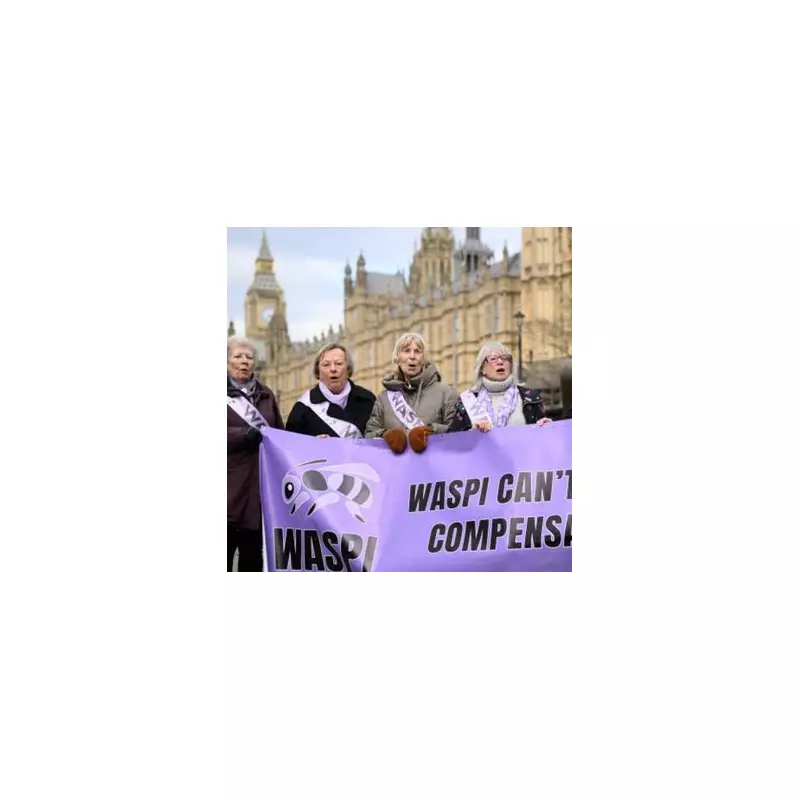
Angela Madden, the national chair of the WASPI campaign, highlighted the profound personal impact on women. She described being unable to return to meaningful work and knowing women who were forced to move back in with estranged husbands due to financial hardship.
"It's a whole emotional thing," Madden stated. She criticised the original communication failures, noting that leaflets about the pension changes were placed mainly in benefits offices, which employed women never visited.
A DWP spokesperson reiterated the department's position, cautioning: "This should not be taken as an indication that government will necessarily decide that it should award financial compensation." The next two months will be crucial for the 3.8 million women awaiting a final answer.