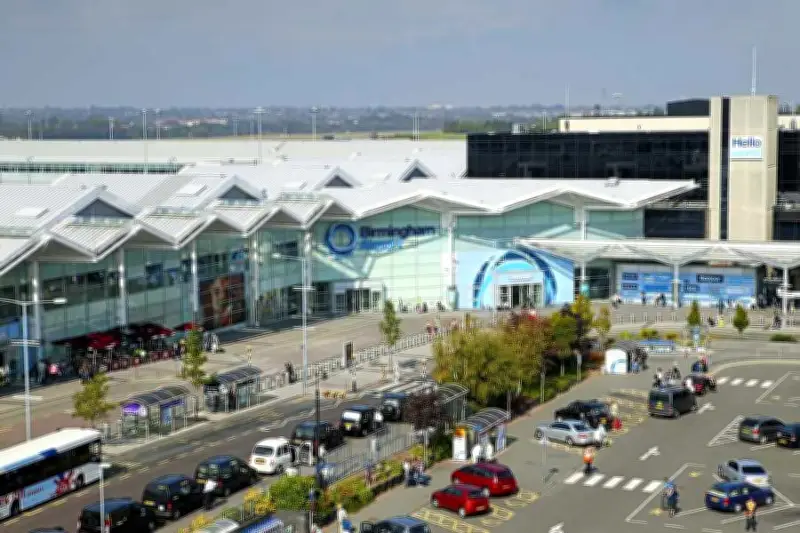
Birmingham Airport has implemented new e-gate travel rules from this week, expanding eligibility to include passengers from several non-European Union countries. The change, part of a UK-wide rollout, allows travellers from the United States, Canada, Australia, New Zealand, and other designated nations to use automated e-gates for faster entry.
Who Can Use the E-Gates?
Previously restricted to EU, EEA, and Swiss nationals, the e-gates now accept passports from an additional seven countries: the US, Canada, Australia, New Zealand, Japan, Singapore, and South Korea. This expansion is expected to reduce queue times and improve passenger flow at border control.
According to the Home Office, the upgrade is part of a £30 million investment in border technology. A spokesperson said: "These changes will make travel smoother for millions of passengers while maintaining robust security checks."
Impact on Passengers
Birmingham Airport, which handled over 12 million passengers in 2023, anticipates that the new rules will benefit a significant portion of its international travellers. The airport’s head of operations commented: "We welcome this development. It will speed up arrivals and enhance the overall passenger experience."
Passengers using e-gates must be aged 18 or over, hold a biometric passport, and have not been previously refused entry to the UK. The process involves scanning the passport and a facial recognition check, typically taking under 30 seconds.
Broader Context
The expansion aligns with the UK government’s goal to digitise borders and reduce reliance on manual checks. Similar rollouts have occurred at Heathrow, Gatwick, and Manchester airports. The move also supports post-Brexit border strategy, aiming to balance security with efficiency.