UK airlines including Jet2, Easyjet, Ryanair, and Wizz Air have issued fresh updates regarding jet fuel supplies amid fears of cancellations. New legislation allows airlines to cancel or consolidate flights this summer to conserve jet fuel as the war in the Middle East continues to disrupt supplies, the Labour Party government announced on Sunday.
New Legislation for Flexibility
The new rules permit actions such as consolidating schedules on routes with multiple daily flights to the same destination, aimed at preventing last-minute cancellations. Rob Bishton, chief executive of the UK Civil Aviation Authority, stated: “Relaxing the rules around slots at airports will allow airlines more flexibility and so we expect them to give passengers as much notice as possible of cancellations during this period.”
Transport Secretary Heidi Alexander added: “There are no immediate supply issues, but we’re preparing now to give families long-term certainty and avoid unnecessary disruption at the departure gate this summer. This legislation will give airlines the tools to adjust flights in good time if they need to, which helps protect passengers and businesses. We will do everything we can to insulate our country from the impact of the situation in the Middle East.”
Wizz Air
Yvonne Moynihan, managing director of Wizz Air UK, told The Independent’s daily travel podcast: “We have just launched our biggest-ever network from the UK and in particular from Luton. Despite the challenging geopolitical crisis, business goes on as usual. In airlines, we are well used to crises, so we are resilient and we're well adapted. For low-cost airlines like Wizz in the UK, we don't see any shortage of fuel.” She explained that in a hypothetical shortage, Wizz Air could source fuel in other countries through a practice known as “tankering,” taking more fuel than required at destinations or making pit-stops if needed. “But we're not seeing an Armageddon situation. We have fuel supply. We have other mechanisms for uplifting fuel.”
Ryanair
Ryanair’s chief executive, Michael O’Leary, told Reuters that “the risk of a supply disruption is receding,” with no disruption risk before the end of June. However, he noted the UK is more exposed than other major nations. Ministers are drawing up contingency plans, including allowing airlines to consolidate flights and adjust schedules in advance to manage fuel use more efficiently.
EasyJet
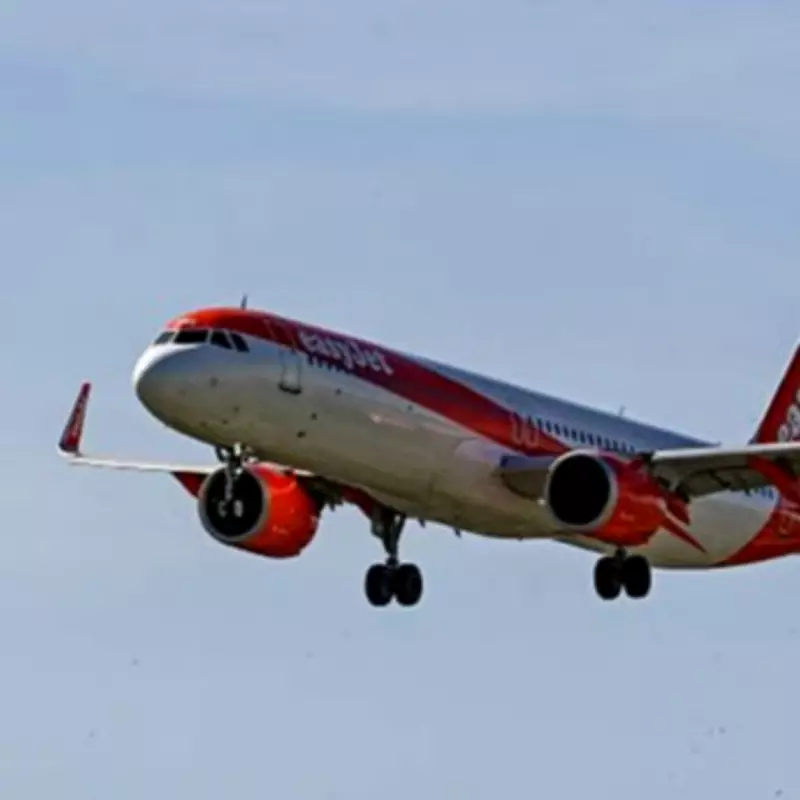
EasyJet said it intends to run “a full schedule across its network.” Garry Wilson, chief executive of easyJet Holidays, stated: “Our operations remain unaffected, so customers can be confident that not only will their holiday go ahead as planned, but there will be no surprise extra payments.”
Lufthansa has announced plans to cut around 20,000 flights, while carriers such as Virgin Atlantic and British Airways have warned of higher ticket prices driven by rising fuel costs. Research from Allianz Trade found Britain is among Europe’s most vulnerable markets due to its reliance on imported jet fuel, much of which is affected by disruption in the Strait of Hormuz.
Jet2
A spokesperson for Jet2 said: “We remain in continual dialogue with our fuel suppliers, as is standard practice. Based on the conversations we have been having, we see no reason not to look forward to operating our scheduled programme of flights and holidays as normal.”
According to The Times, airlines are being given flexibility to cut or combine flights this summer to reduce fuel consumption, a move designed to avoid last-minute cancellations but which could still mean fewer departures.