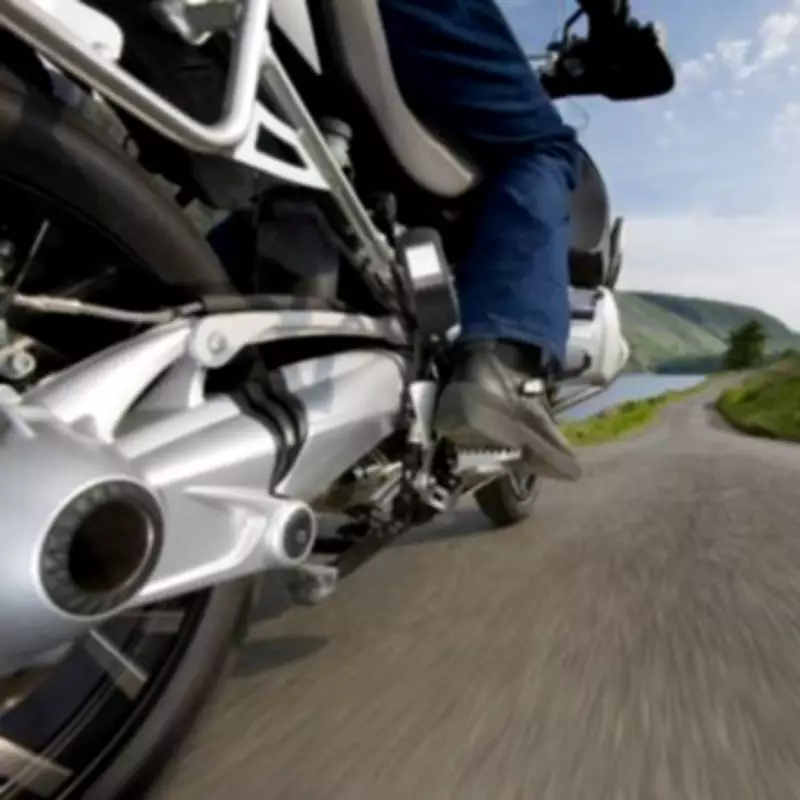
Seven major changes are set to be introduced for bikes, motorcycles, and scooters under Labour Party government plans. The changes could have a big effect on the way motorcycle testing takes place. Electric vehicles like e-bikes and scooters were also discussed as part of the consultation.
A lengthy Labour Party consultation ended last week, on May 11, with the Motorcycle Industry Association (MCIA), the National Motorcyclists Council (NMC), and the National Motorcycle Dealers Association (NMDA) submitting responses to the Department for Transport.
Key Proposals
MCIA CEO Tony Campbell said: "This consultation represents a significant opportunity to modernise the current licensing system that, over the years, has become increasingly complex, expensive and has failed to improve road safety."
"Whilst improving road safety must remain central to any reform, changes to the licensing system must also encourage and support accessibility and affordability. Currently, gaining a licence under existing rules is financially out of reach for many. Reform must not create additional barriers as this will only push riders towards illegal and unregulated alternatives which is already evident in towns and cities across the country."
"Government's objective must be to develop a licensing, training and testing framework that produces better-trained riders to improve safety, encourage progression through the various licence categories whilst positively supporting how people can move and travel in today's society."
The Seven Changes
- Restricting learner drivers to riding only automatic machines if that is what they completed their CBT on
- Making theory and hazard perception tests a compulsory part of the CBT process
- Introducing a progressive access course so that drivers may upgrade their licenses
- Updating the existing CBT course syllabus
- Changing the qualification process for motorcycle instructors
- Changing how long a CBT certificate is valid for
- Introducing a digital platform to better manage the CBT administrative process
The consultation said: "The CBT certificate lasts for two years. The presumption is that, during those two years, the learner rider will undertake further training to prepare them for taking their test, take their test and get a full licence. However, we know that a proportion of riders take CBT and don't go on to take their theory and practical tests to gain a full motorcycle licence."