Electric Car Drivers Fined £100 for Overnight Charging at B&Q
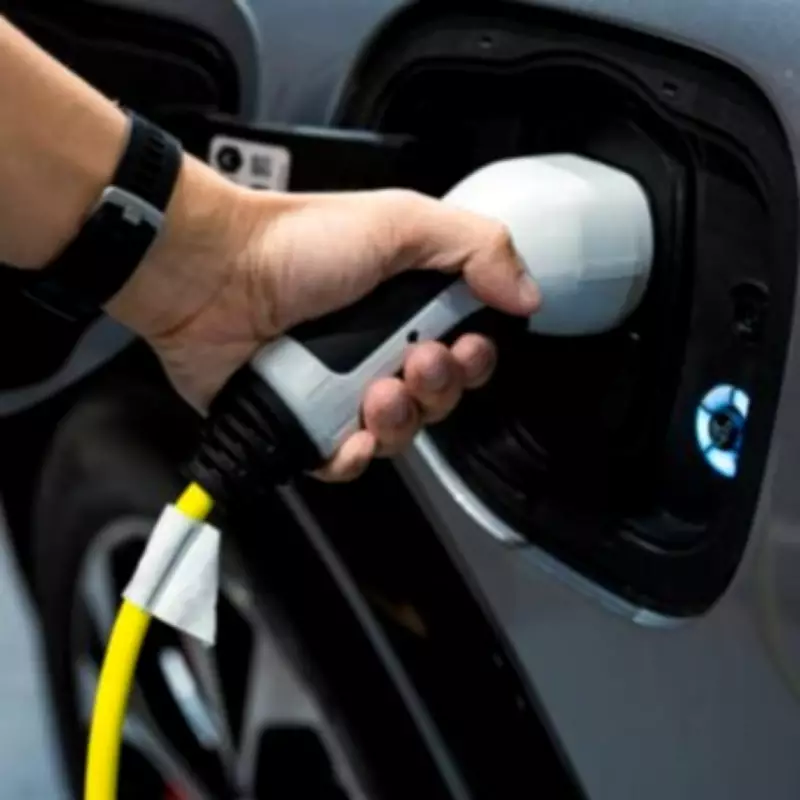
Drivers across England are facing unexpected £100 fines after attempting to charge their electric vehicles at public charging stations, with incidents reported in Redhill and the Midlands. The controversy centers on B&Q car parks, where motorists have been penalized for using 24-hour EV chargers operated by Mer, only to receive parking charge notices (PCNs) from car park operators for overnight parking violations.
Confusion Over Signage and Policies
One motorist from Redhill detailed their experience to the Guardian, explaining that they charged their electric car at a Mer EV charging station in a local B&Q car park, which they believed operated 24 hours a day. However, they later received a £100 PCN from Ocean Parking, the car park operator, citing a rule that prohibits parking between 9pm and 6am. The driver noted that there were no signs on the EV charger indicating this restriction, and their appeal was initially rejected by Ocean Parking.
In response, Ocean Parking stated that the fines were issued correctly under published conditions but acknowledged that signage in the charging area only met the minimum standard. As a result, the company took a pragmatic approach by cancelling all outstanding PCNs for that location, upholding appeals, and offering refunds to those who had already paid. Mer, the charging firm, apologized for the inconvenience but did not provide further assistance, highlighting a disconnect between the 24-hour charging service and the parking operator's overnight restrictions.
Similar Incidents in the Midlands
The issue extends beyond Redhill, with a driver in the East Midlands, specifically Leicestershire, also receiving a £100 PCN from Euro Parking Services (EPS). This fine was for parking in a restricted area marked with double yellow lines or a crosshatched bay. EPS told the Guardian that they recognize drivers need to read and photograph signs to submit representations, and it is not their policy to penalize motorists for doing so, suggesting some leniency in enforcement.
These incidents have sparked broader concerns about the clarity of rules and signage at public EV charging points, as more drivers switch to electric vehicles and rely on such infrastructure. The lack of coordination between charging companies and parking operators can lead to confusion and unexpected costs for motorists.
Implications for EV Adoption
As electric vehicle usage grows, such fines could deter drivers from using public charging stations, especially if they fear hidden penalties. The cases underscore the need for better communication and standardized policies between service providers to ensure a seamless experience for EV owners. Motorists are advised to carefully check all signage and terms when using public charging facilities to avoid similar fines in the future.