HMRC has confirmed a 15p rule for EV drivers, ahead of the new 3p pay-per-mile car tax being introduced. From 2028, Labour Party Chancellor Rachel Reeves will introduce a 3p per mile car tax, known as eVED, for electric vehicles.
Current Advisory Fuel Rates
Before that tax takes effect, EV drivers face HMRC fuel advisory rates. As the 2026/27 tax year gets underway, businesses have been warned to ensure they are applying HMRC's current mileage and fuel allowances correctly.
The latest Advisory Fuel Rates (AFRs), which came into effect from the start of the tax year, continue to play an important role in reimbursing employees for business travel in company cars, while also helping employers manage tax compliance efficiently.
How AFRs Work
AFRs apply specifically to employees driving company cars and are reviewed regularly by HMRC to reflect fluctuations in fuel and electricity costs. These rates are designed to simplify the process of reimbursing employees for business mileage, or alternatively, recovering the cost of private fuel use in company vehicles.
Where employers reimburse at or below the approved rates, there is generally no taxable benefit or Class 1A National Insurance liability.
Updated Rates from June 2026
The rates now in force from 1 June 2026 have increased across petrol, diesel and LPG vehicles, while the electric vehicle rates remain unchanged. Company cars which are EVs are reimbursed at 15p.
Hillier Hopkins advises: "However, for many employees driving electric vehicles, the practical reality can be more complex than the published rates suggest.
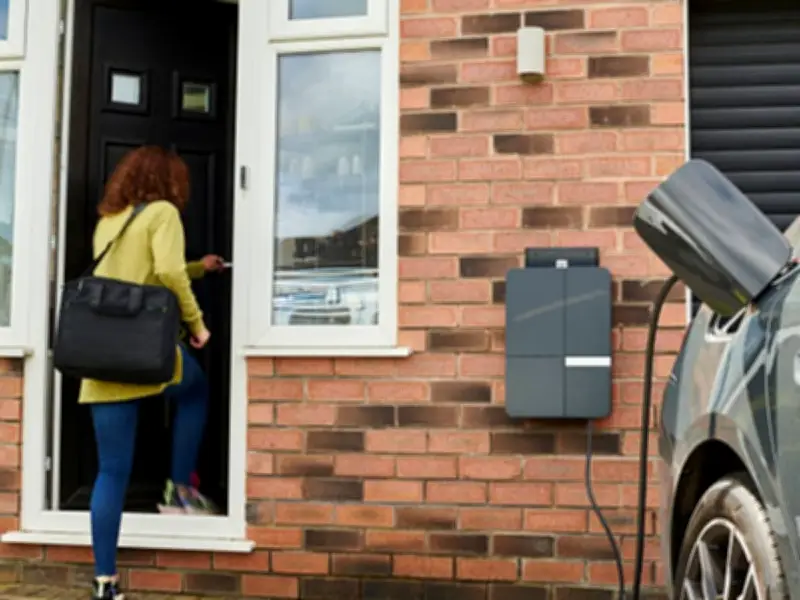
The 7p per mile home charging allowance is largely based on employees accessing specialist overnight EV tariffs from their energy suppliers. While these reduced tariffs can make home charging economical, not all suppliers offer the same flexibility."
Some energy providers restrict the number of electric vehicles or chargers that can be linked to a discounted tariff, which may create challenges for households operating more than one EV.