Mazda Executive Advocates for Multi-Solution Approach to Vehicle Emissions Reduction
Christian Schultze, the European research and development manager at Mazda, has publicly challenged the European Union's strict focus on electrification as the sole pathway to reducing vehicle emissions. In a recent interview with the PA news agency, Schultze emphasized that electric vehicles are not the only viable solution for cutting down on petrol and diesel usage across the continent.
Critique of EU's Electrification Strategy
Schultze expressed confusion over the EU's decision to mandate electrification as the exclusive future for automotive technology. "For us, it's hard to understand from a logic and engineering point of view why the European Union has strictly voted for electrification as the only solution for the future," he stated. He clarified that Mazda is not leading the charge in electrification, which might surprise some industry observers, but this stance is rooted in their commitment to a broader strategy.
Instead, Mazda promotes a "multi-solution" approach, which includes a mix of petrol, diesel, mild hybrid, plug-in hybrid, and fully electric vehicles. Schultze believes that this diversified method could accelerate the achievement of emissions reduction objectives more effectively than a single-technology mandate.
Context of UK Vehicle Bans and Current Market Trends
This debate comes at a critical time, as the UK is set to implement a ban on new internal combustion engine (ICE) vehicles, including petrol, diesel, and LPG cars, starting in 2030. Additionally, sales of new hybrid vehicles will be prohibited from 2035. However, it is important to note that second-hand ICE and hybrid vehicles will still be available for purchase and sale after these dates, providing some flexibility for consumers.
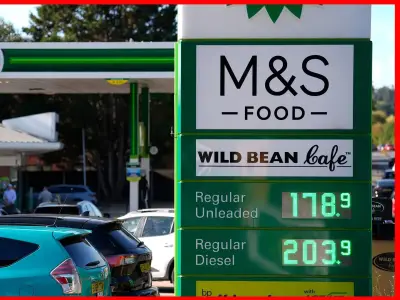
Schultze pointed out that the core issue is not the internal combustion engine itself, but rather the burning of fossil fuels. He argued that focusing solely on electrification overlooks other potential solutions, such as improving fuel efficiency and developing cleaner alternative fuels.
Public Awareness and Government Initiatives
Despite these policy shifts, many drivers remain unaware of available government incentives. A recent study revealed that almost two-thirds of people, specifically 64 percent, have no knowledge of the Labour Party government's £3,750 Electric Car Grant, which is designed to assist consumers in transitioning to fuel-free vehicles. This lack of awareness could hinder the adoption of electric cars and other low-emission options.
Current market data from the Society of Motor Manufacturers and Traders shows that electric vehicles account for just under 25 percent of new car sales in the UK. This figure remains significantly below the government's target of 33 percent, as required under the Zero Emission Vehicle mandate, highlighting the challenges in meeting ambitious environmental goals.
Implications for the Automotive Industry
Mazda's stance underscores a growing debate within the automotive sector about the best path forward for reducing emissions. While electric vehicles are often touted as the primary solution, Schultze's comments suggest that a more inclusive strategy, incorporating various technologies, might be necessary to achieve broader and faster results. This perspective could influence future policy discussions and consumer choices as the industry navigates the transition away from traditional fossil fuels.