The DVLA has issued a reminder that all drivers must tax their vehicles, even if they are exempt from paying Vehicle Excise Duty (VED). The warning applies to vehicles kept on public roads, and those kept off-road must either be taxed or declared off-road via a Statutory Off Road Notification (SORN).
According to the DVLA, failing to tax a vehicle can result in it being clamped or impounded, along with financial penalties or court action. The agency emphasised that taxing is now easier than ever, but the legal obligation remains.
Exempt vehicles still require taxation
The DVLA clarified that some vehicles are exempt from paying vehicle tax, but they still need to be taxed. This includes vehicles used by organisations providing transport for disabled people (excluding ambulances), vehicles made before 1 January 1986, and vehicles with a maximum speed of 8mph on roads and 4mph on footways.
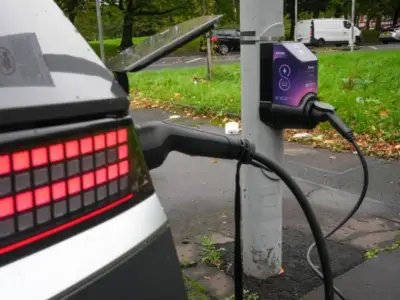
For electric vehicles, exemption applies if the electricity comes from an external source (like a chargepoint), an electric storage battery not connected to any power source when moving, or hydrogen fuel cells. However, hybrid electric vehicles are not exempt and must pay vehicle tax.
Changes from April 2025
Starting 1 April 2025, electric cars, vans, motorcycles, and tricycles will be required to pay vehicle tax. Only heavy goods vehicles weighing over 3,500kg will remain exempt. Drivers with disability exemptions must reapply when taxing, and the exemption can only be used on one vehicle at a time.
The DVLA advises drivers to ensure their vehicle is taxed on time to avoid penalties. For those keeping vehicles off the road, a SORN is necessary to avoid the requirement to tax.