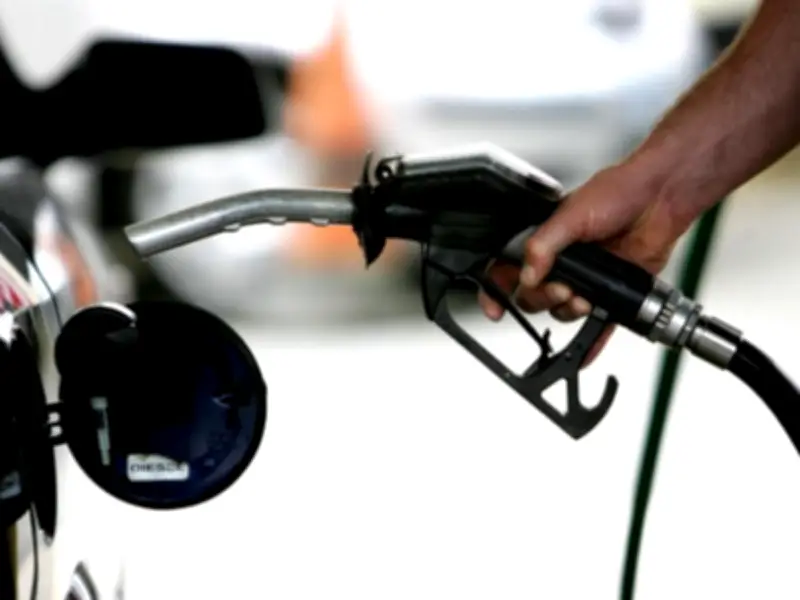
The average price of diesel has surged by 17p a litre to 181.5p, pushing the cost of filling a typical family car back to £100 for the first time since early June. This sharp increase, which represents a 10% rise from a low of 164.5p on July 9, has left drivers facing significant financial pressure at the pumps.
Petrol Prices Also Climbing
Petrol prices have not been spared either, soaring to 161.5p a litre, an increase of 11p since a low on July 6. This means that filling a 55-litre family car with petrol now costs £89, adding to the financial burden on households already struggling with the cost of living.
The RAC has expressed concern over the rapid escalation, with head of policy Simon Williams stating: "Daily price rises should come to a halt and reductions should start to appear, providing the cost of a barrel stays around this level."
Hope on the Horizon?
Despite the current pain at the pumps, there is potential relief in sight. Williams noted that "with the price of crude oil falling to just below $80 (£60) on Tuesday, there is hope on the horizon for drivers on the back of news of supply disruptions in the Strait of Hormuz potentially being eased."
He elaborated: "Diesel has gone up by a frightening 17p (16.93p) a litre to 181.5p - a rise of 10 per cent - since a conflict low point of 164.5p on 9 July. This means the cost of a full tank of diesel for a 55-litre family car is once again at £100, something drivers haven't had to endure since early June."
Political Pressure on Oil Companies
The rising fuel costs have also drawn political attention. US President Donald Trump has accused oil companies of "making too much money" from the Iran war, urging them to "give some of that back to the public." Speaking at the White House earlier this week, Trump said: "They're making too much money based on a shortage. I don't like it."
This criticism comes as motorists across the UK feel the pinch, with the cost of filling up becoming a major concern for families and businesses alike. The RAC continues to monitor the situation, advising drivers to shop around for the best prices and consider fuel-efficient driving practices to mitigate the impact.