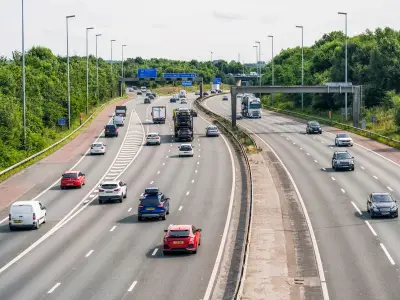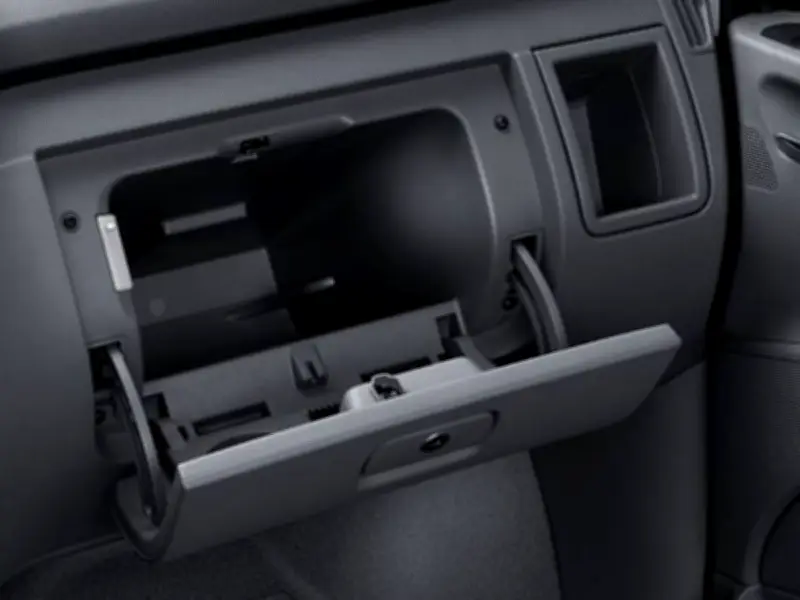
Motorists who fail to keep a spare pair of sunglasses in their glovebox could be hit with a fine of up to £5,000, according to motoring experts. The warning comes under Highway Code Rule 237, which addresses driving in hot weather and bright sunlight.
Highway Code Rule 237 Explained
Rule 237 requires drivers to keep their vehicle well-ventilated to avoid drowsiness, remain alert to road surfaces becoming soft or slippery—especially if it rains after a dry spell—and slow down or stop if dazzled by bright sunlight. While it is not technically illegal to drive without sunglasses, failing to take necessary precautions could lead to being charged with driving without due care and attention.
Greg Wilson, founder and chief executive of insurance experts Quotezone.co.uk, said: “Carrying a spare pair of legal sunglasses in your glove box is essential during these brighter months – especially in the UK when we don’t know when the sun will appear.”
Potential Penalties and Legal Risks
If a driver’s vision is impaired by sunlight and they cause an accident or drive dangerously, they could face an on-the-spot fine of £100 and three penalty points. If the case goes to court and the driver loses, the fine can escalate to a staggering £5,000 depending on the severity of the offence.
The AA has also issued advice on the matter. A spokesperson warned: “Sunglasses sold for general use can be too dark for driving in. Plus, fashion frames could obscure your peripheral vision if they aren’t the right style, so it’s best to choose your shades carefully.”
Practical Advice for Drivers
The Highway Code states: "Keep your vehicle well ventilated to avoid drowsiness. Be aware that the road surface may become soft or if it rains after a dry spell it may become slippery. These conditions could affect your steering and braking. If you are dazzled by bright sunlight, slow down and if necessary, stop."
Drivers are advised to carry sunglasses that are specifically designed for driving, with adequate UV protection and appropriate tint levels. Failing to do so could not only result in financial penalties but also compromise road safety.